CourseEast Asia and the World, 400–700: Kingdoms, Faiths and Laws →CourseHow Writing Survives: Clay, Stone, Print and Voice →CourseThe Imjin War, 1592–1598: Seven Years in Sixteen Stops →
Heritage
In-depth guides that start simply enough for children and go deep enough for researchers.
54 articles
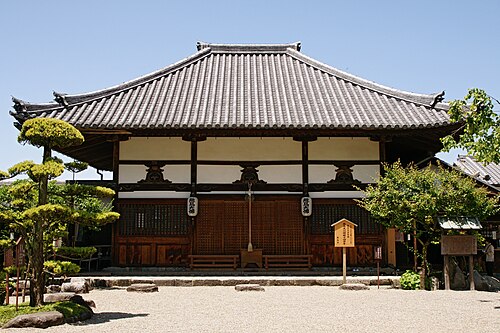 Heritage · 588–596 CEAsuka-deraAsuka-dera, finished in 596 in the Asuka valley of Japan, was the country’s first full-scale Buddhist temple, built by the Soga clan with craftsmen sent from the Korean kingdom of Baekje, and its bronze Great Buddha still sits on the same spot today.Map
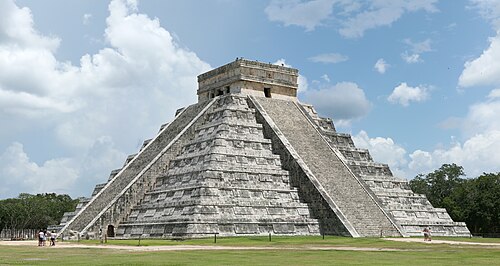 Heritage · c. 600–1200 CEChichen ItzaChichen Itza was one of the largest and most powerful cities of the ancient Maya, in Mexico’s Yucatán Peninsula, famous for its stepped pyramid of the Feathered Serpent, its giant ball court and its sacred well.Map
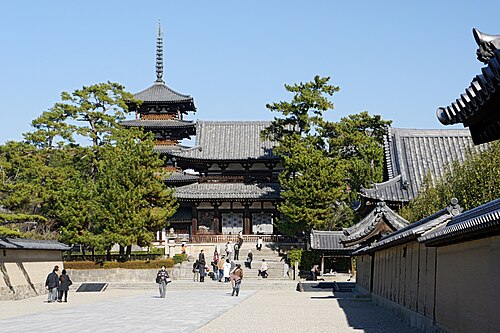 Heritage · c. 607 CEHōryū-jiHōryū-ji is a Buddhist temple near Nara in Japan, traditionally founded by Prince Shōtoku in 607, whose main hall and five-storey pagoda, rebuilt in the late seventh century, are among the oldest wooden buildings in the world.Map
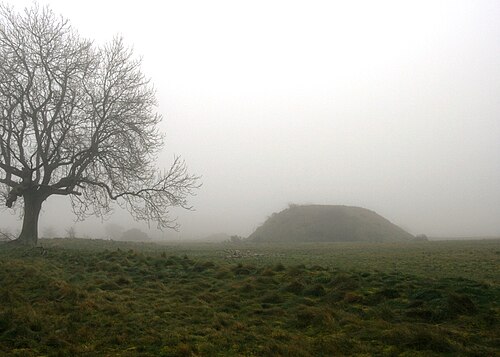 Heritage · c. 610–635 CESutton HooSutton Hoo is a group of grassy burial mounds in eastern England where, about 1,400 years ago, people dragged a 27-metre ship up from the river, filled it with treasures from as far away as Constantinople, and buried a powerful man inside it.Map
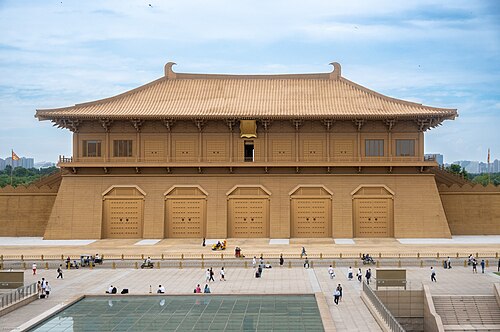 Heritage · 634–904 CEDaming PalaceThe Daming Palace was the largest palace complex of Tang-dynasty China: begun in 634 on a low plateau just outside the north-east corner of the capital Chang’an, it became the emperors’ main residence and seat of government from 663, received envoys from Japan, Silla and lands far to the west, and was ruined in the wars that ended the dynasty, its city being dismantled in 904.Map
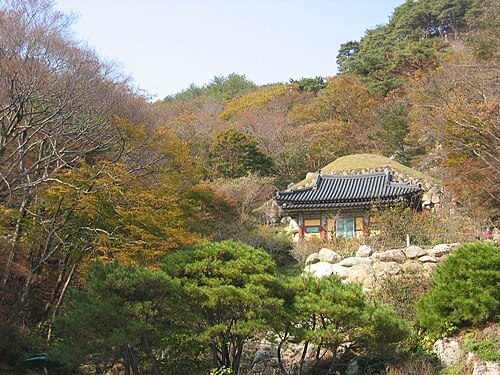 Art · 742–774 CESeokguram GrottoSeokguram is a small cave temple in Korea that people built out of granite blocks about 1,250 years ago, with a calm stone Buddha inside that looks out toward the sea where the sun rises.Map
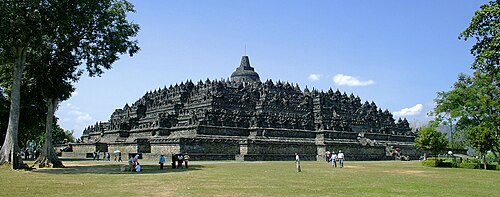 Heritage · c. 780–833 CEBorobudurBorobudur is a giant Buddhist monument on the island of Java in Indonesia, built about 1,200 years ago like a stepped stone mountain that pilgrims climb while walking past thousands of carved stories.Map
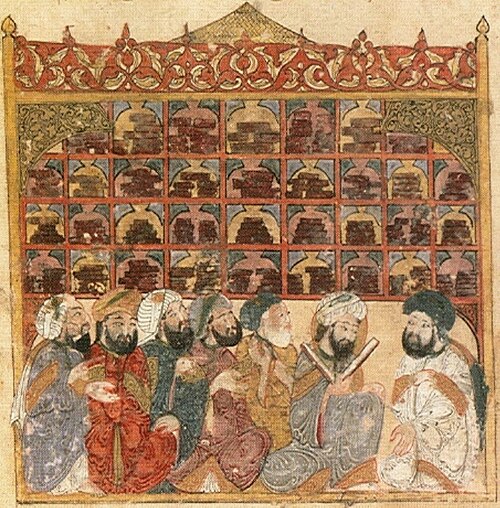 History · c. 800–1258 CEHouse of WisdomThe House of Wisdom was a library connected with the caliphs’ court in Baghdad, and its name has become a symbol of a great age, from the late 700s to the 900s, when scholars translated Greek, Persian and Indian books into Arabic and made new discoveries in mathematics, astronomy, medicine and philosophy.Map
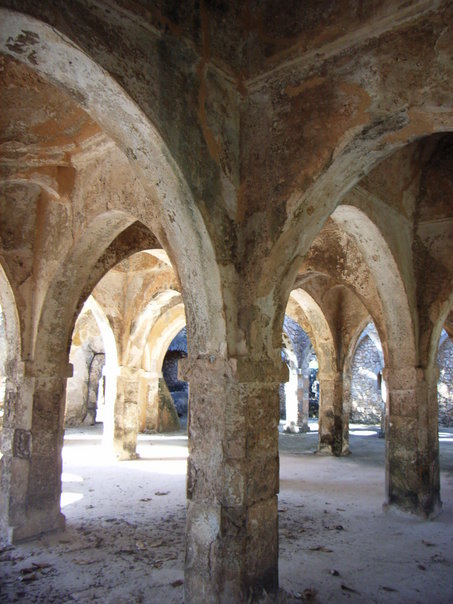 Heritage · c. 800–1505 CEKilwa KisiwaniKilwa Kisiwani is a small island off southern Tanzania whose coral-stone ruins – a great mosque, a clifftop palace and forts – are the remains of the richest Swahili trading city of the Middle Ages, which controlled the gold trade of the East African coast until it was sacked by the Portuguese in 1505.Map
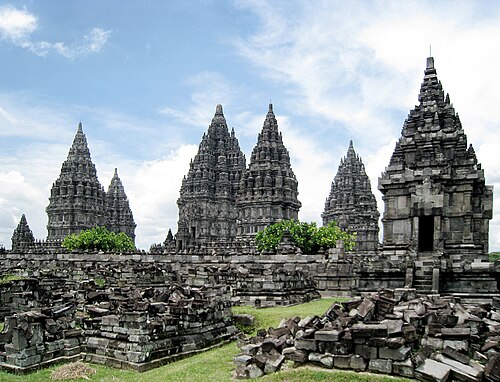 Heritage · c. 850–900 CEPrambananPrambanan is a group of tall, pointed stone temples on the island of Java in Indonesia, built about 1,150 years ago for the Hindu gods Shiva, Vishnu and Brahma, and covered with carvings that tell the story of the Ramayana.Map
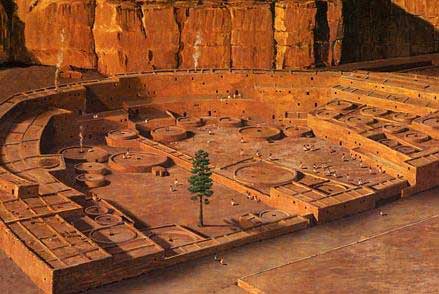 Heritage · c. 850–1150 CEPueblo BonitoPueblo Bonito is a huge D-shaped stone building with hundreds of rooms in Chaco Canyon, New Mexico, built over some 300 years by the ancestors of today’s Pueblo peoples, who still regard Chaco as a sacred, living place.Map
- Heritage · c. 1000–1300MapungubweMapungubwe is a flat-topped sandstone hill near the meeting of the Limpopo and Shashe rivers in southern Africa, where, between about AD 1000 and 1300, farmers and traders built one of the region’s earliest kingdoms, with its rulers living on the hilltop above everyone else and trading gold and ivory with the Indian Ocean world.Map
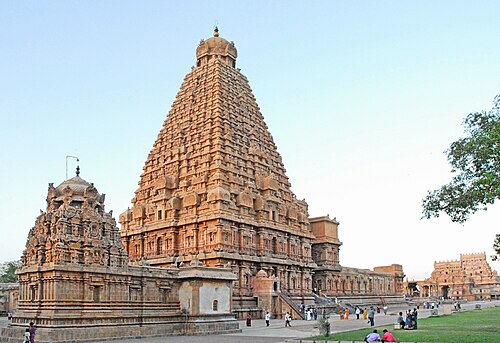 Heritage · 1003–1010Brihadisvara Temple, ThanjavurThe Brihadisvara Temple is a huge granite Hindu temple to the god Shiva in Thanjavur, South India, built by the Chola emperor Rajaraja I and completed in 1010, whose tower of about 60 metres was one of the tallest buildings in the world at the time.Map
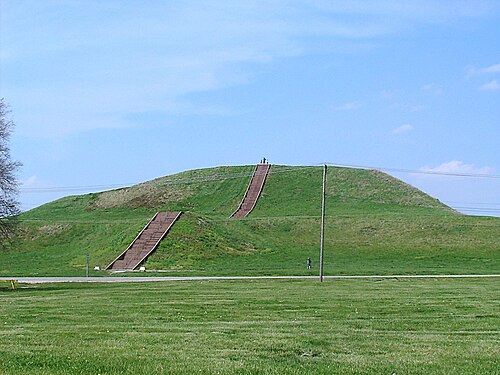 Heritage · c. 1050–1350CahokiaCahokia was the largest city in North America north of Mexico before European contact, a Mississippian metropolis of earthen mounds, plazas and neighbourhoods near today’s St. Louis that flourished roughly between 1050 and 1350 CE.Map
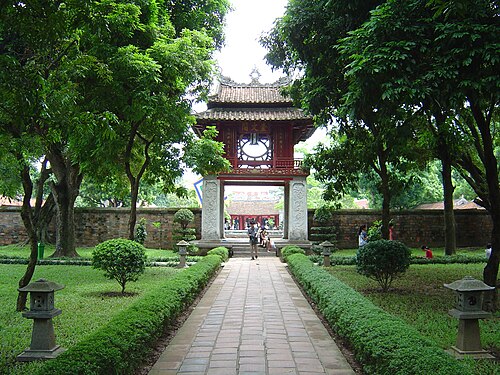 Heritage · 1070–1076Temple of Literature, HanoiThe Temple of Literature is a walled temple garden in Hanoi, first built in 1070 to honour Confucius, where Vietnam’s first royal academy trained scholars for centuries and where stone turtles still carry the names of the country’s top exam winners.Map
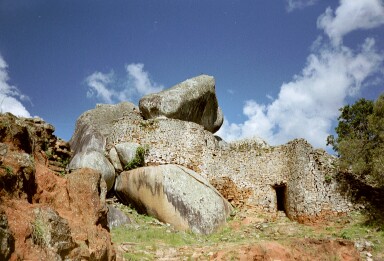 Heritage · c. 1100–1450Great ZimbabweGreat Zimbabwe is a city of huge stone walls in southern Africa, built by African people about 700–900 years ago, so important that the modern country of Zimbabwe is named after it.Map
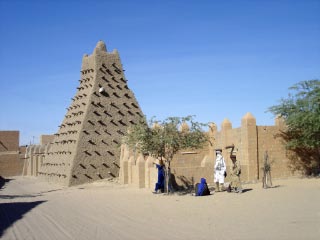 Heritage · c. 1100–1591TimbuktuTimbuktu is a desert-edge city near the Niger River in Mali that grew from a seasonal camp into one of West Africa’s great centres of trade and Islamic learning, famous for its earthen mosques and its hundreds of thousands of handwritten manuscripts.Map
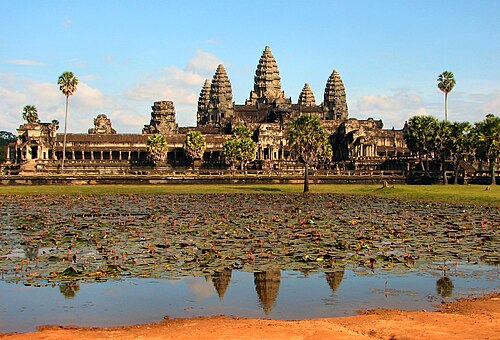 Heritage · c. 1113–1150Angkor WatAngkor Wat is a giant stone temple in Cambodia, built about 900 years ago by a Khmer king to be a home for the god Vishnu, and later used by Buddhists, as it still is today.Map
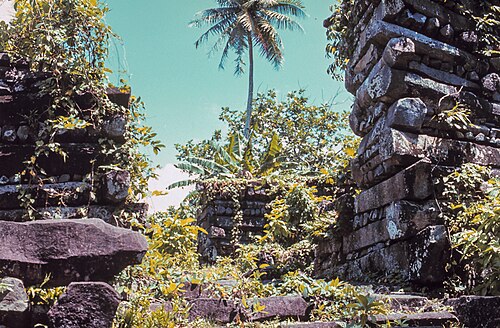 Heritage · c. 1180–1628Nan MadolNan Madol is a complex of nearly one hundred artificial islets built of basalt and coral on a reef off the island of Pohnpei in Micronesia, the ceremonial, mortuary and political centre of the Saudeleur rulers who united the island from around the twelfth century until the early seventeenth.Map
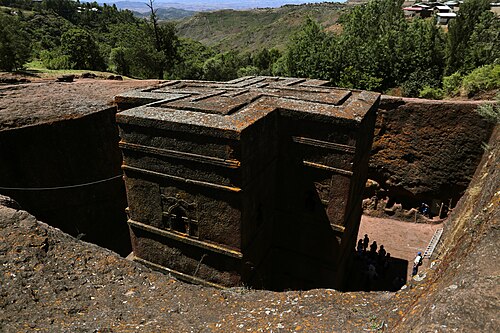 Heritage · c. 1181–1221Rock-Hewn Churches of LalibelaAt Lalibela in the highlands of Ethiopia, eleven churches were carved downward out of solid volcanic rock, traditionally under King Gebre Meskel Lalibela around 1200, as a “New Jerusalem” that is still a living centre of Ethiopian Orthodox worship and pilgrimage.Map
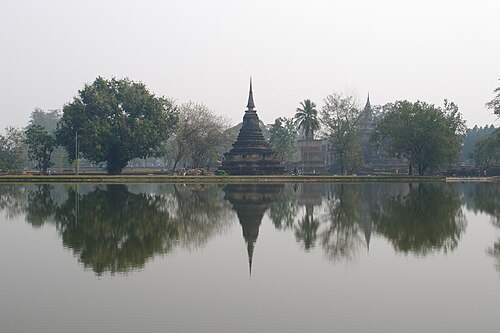 Heritage · c. 1238–1438Sukhothai Historical ParkSukhothai Historical Park protects the ruins of Sukhothai, a walled city in northern Thailand that was the capital of a Tai kingdom about 700–800 years ago, full of brick temples, lotus-bud towers and graceful Buddha images.Map
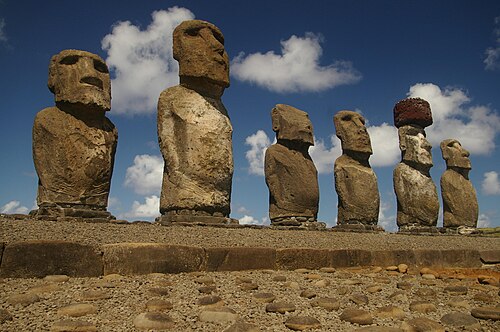 Art · c. 1250–1500Moai of Rapa NuiThe moai are the giant stone figures that the Rapa Nui people carved on Easter Island, one of the most remote inhabited islands on Earth, to honour their ancestors, mostly between about 1250 and 1500.Map
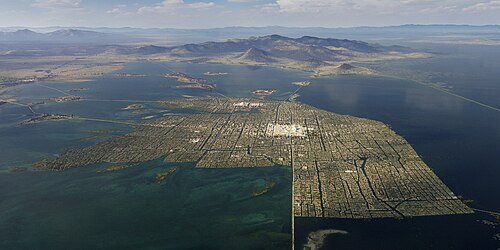 Heritage · 1325–1521TenochtitlanTenochtitlan was the island capital of the Mexica (Aztecs) in the Valley of Mexico, a city of canals, causeways and temples that grew into one of the largest cities in the world before Spanish and Indigenous forces destroyed it in 1521, and Mexico City was built on its ruins.Map
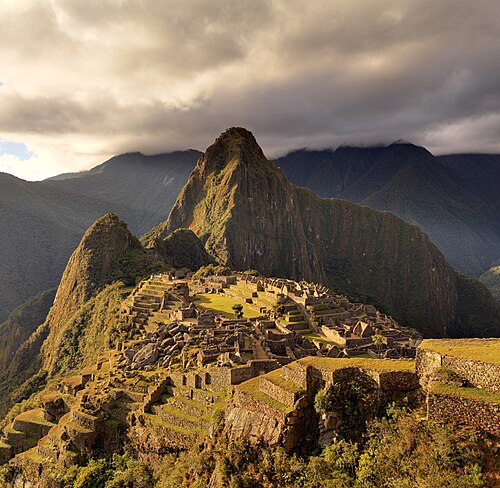 Heritage · c. 1420–1532Machu PicchuMachu Picchu is a stone town that the Inca built on a narrow mountain ridge high in the Andes of Peru about 600 years ago, probably as a royal estate for the ruler Pachacuti and his family.Map