Terra Scripta
/
Loading…
Loading…
Terra Scripta maps world literature, philosophy, history, art and cultural heritage from the earliest surviving texts to 1945. Move through time and see what was being written, thought and made in different places at roughly the same moment.
In-depth guides that start simply enough for children and go deep enough for researchers.
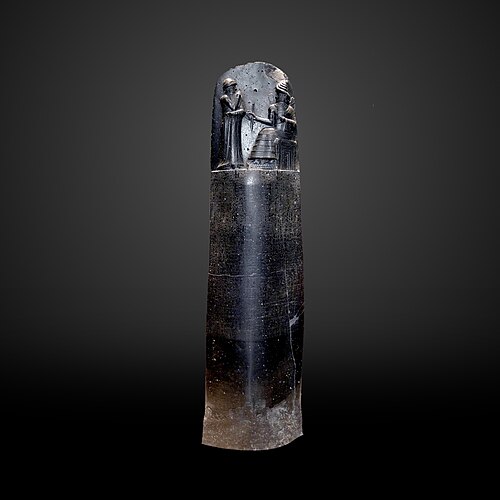 History · c. 1754 BCECode of HammurabiThe Code of Hammurabi is a list of about 280 rules for judging cases that King Hammurabi of Babylon had carved on a tall black stone almost 3,800 years ago, to show that he was a fair and just king.
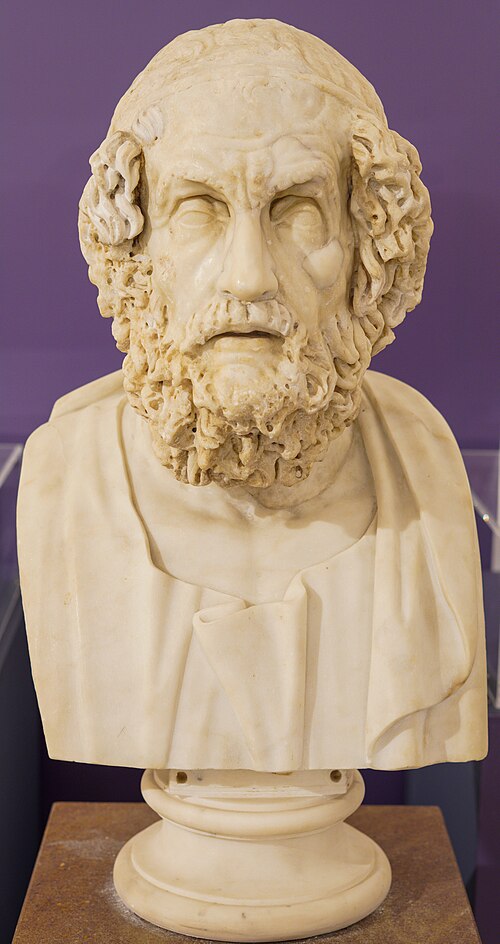 Literature · c. 750–650 BCEHomerHomer is the name the ancient Greeks gave to the poet of the Iliad and the Odyssey, two great epic poems about the Trojan War and a hero’s long journey home, although no one knows for certain who he was or whether one person made both poems.
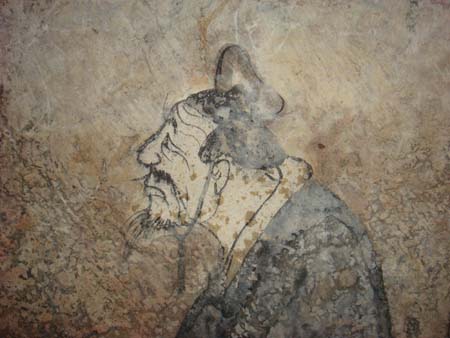 Philosophy · 551–479 BCEConfuciusConfucius was a teacher in ancient China who taught that people should be kind, respectful and honest, and that good leaders should guide others by setting a good example.
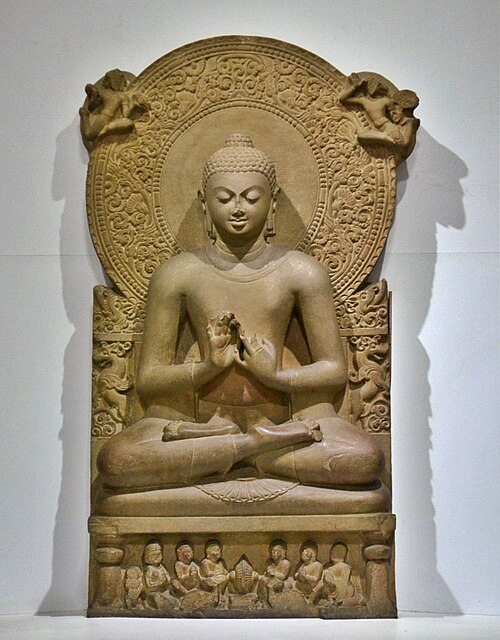 Philosophy · c. 563–400 BCEThe Buddha (Siddhartha Gautama)The Buddha was a teacher from ancient India who, after searching for a way out of suffering, taught that people can find lasting peace by understanding how their own minds work and by living kindly, honestly and mindfully.
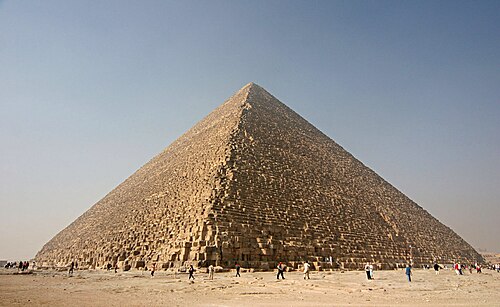 Heritage · c. 2589–2566 BCEGreat Pyramid of GizaThe Great Pyramid of Giza is a gigantic stone tomb built about 4,500 years ago for the Egyptian king Khufu, and it is the only one of the Seven Wonders of the ancient world that still stands.
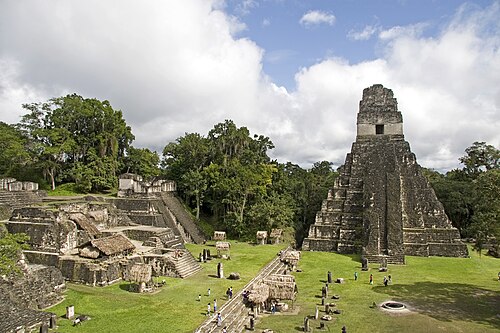 Heritage · c. 400 BCE – 899 CETikalTikal is the ruin of one of the greatest Maya cities, in the rainforest of northern Guatemala, where for more than a thousand years kings raised stone temple-pyramids taller than the jungle trees and recorded their wars and alliances in carved writing.
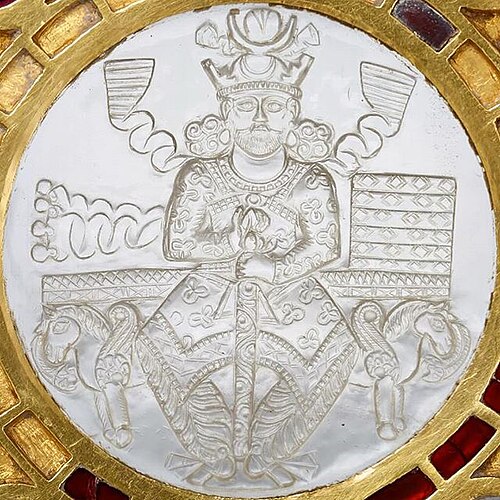 History · 531–579 CEKhosrow I AnushirvanKhosrow I, called Anushirvan, was king of the Sasanian Persian Empire from 531 to 579, a reforming ruler who rebuilt his state’s taxes and army, fought and bargained with the Roman emperor Justinian, welcomed books and scholars from India and Greece, and was later remembered across the Islamic world as the model of a just king.
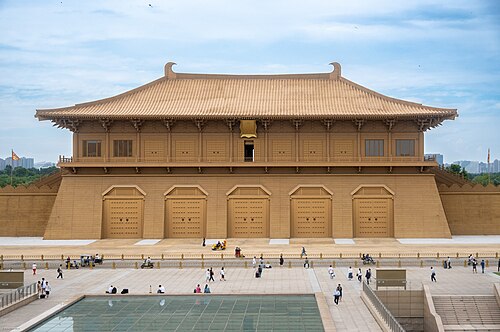 Heritage · 634–904 CEDaming PalaceThe Daming Palace was the enormous home and government centre of the Tang emperors of China, built from 634 on a low hill at the north-east edge of the capital Chang’an, where rulers met ambassadors from Korea, Japan, Central Asia and beyond until it was destroyed in 904.
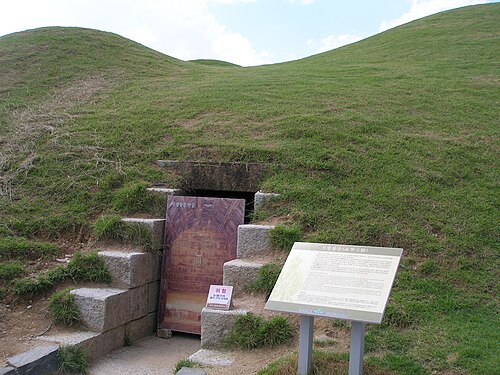 Heritage · 525–529 CETomb of King MuryeongThe Tomb of King Muryeong in Gongju, Korea, is a brick burial chamber built in the 520s for a king of Baekje and his queen, found untouched in 1971 with more than four thousand objects and two inscribed stones that name exactly who was buried there.
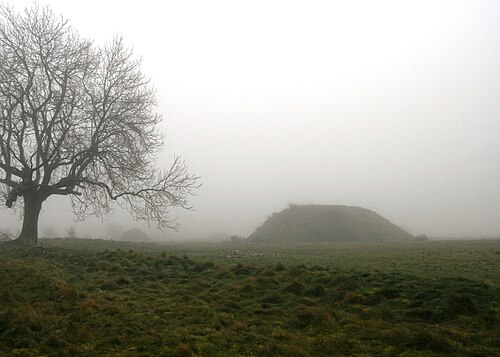 Heritage · c. 610–635 CESutton HooSutton Hoo is a group of grassy burial mounds in eastern England where, about 1,400 years ago, people dragged a 27-metre ship up from the river, filled it with treasures from as far away as Constantinople, and buried a powerful man inside it.
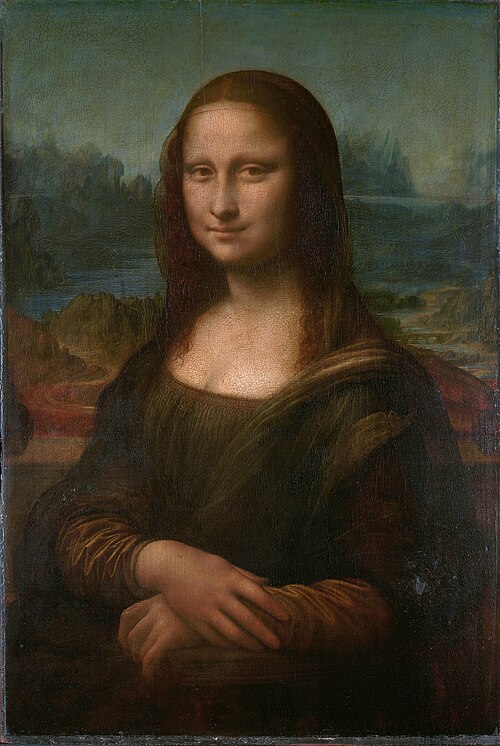 Art · 1503–1519Mona LisaThe Mona Lisa is a small portrait of a Florentine woman, Lisa Gherardini, that Leonardo da Vinci began around 1503 and kept working on for years, and it has become the most famous painting in the world.
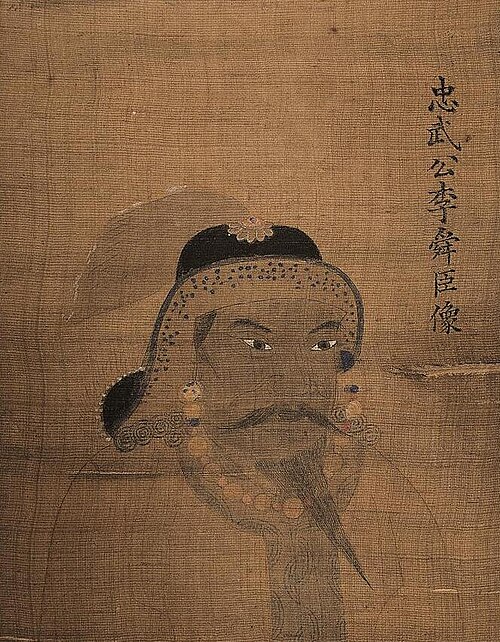 History · 1592–1598Yi Sun-sinYi Sun-sin was a Korean naval commander of the Joseon dynasty who defeated Japanese fleets again and again during the invasions of 1592–1598, kept a remarkable war diary, and died in the last great sea battle of the war.