CourseEast Asia and the World, 400–700: Kingdoms, Faiths and Laws →CourseHow Writing Survives: Clay, Stone, Print and Voice →CourseThe Imjin War, 1592–1598: Seven Years in Sixteen Stops →
People
In-depth guides that start simply enough for children and go deep enough for researchers.
91 articles
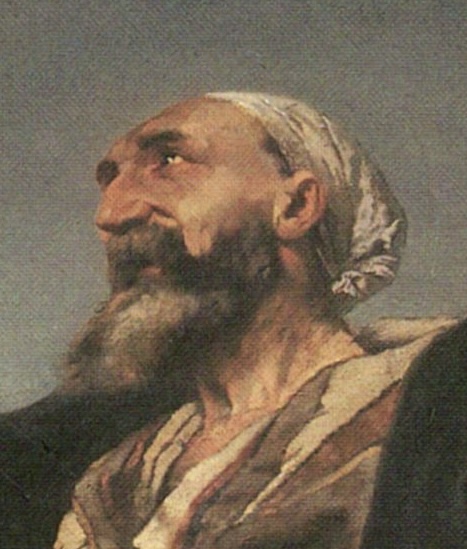 Literature · 1340–1390HafezHafez was a fourteenth-century Persian poet from Shiraz whose short love poems, called ghazals, about wine, beauty, longing and the search for God are still memorised, sung and consulted for advice by millions of people today.Map
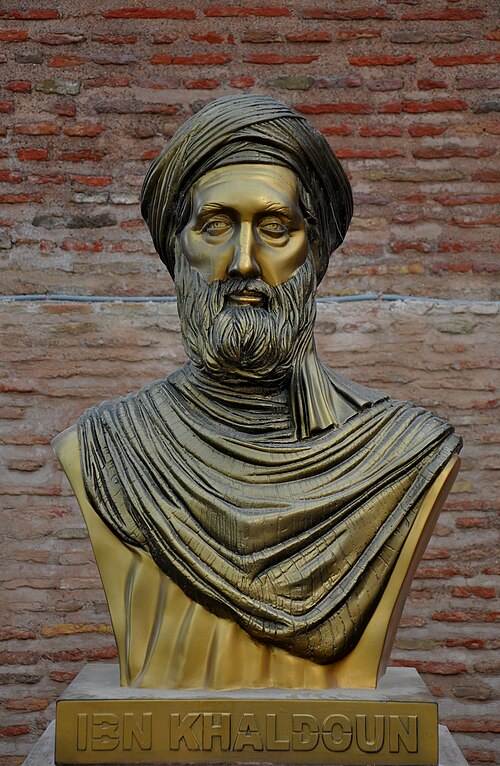 History · 1377Ibn KhaldunIbn Khaldun was a fourteenth-century North African scholar and statesman who tried to discover the hidden rules that make kingdoms rise and fall, and wrote them down in a famous book called the Muqaddimah.Map
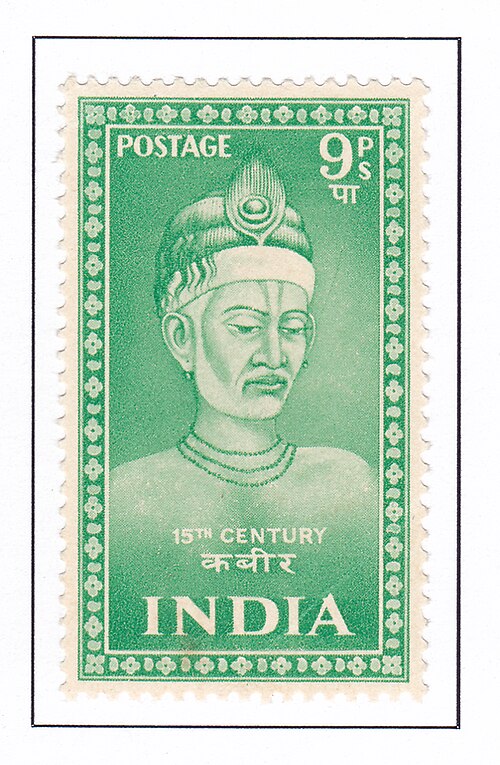 Literature · c. 1440–1518KabirKabir was a weaver-poet of fifteenth-century Varanasi in northern India whose short, sharp songs told Hindus and Muslims alike that God is found not in temples, mosques or rituals but in the heart, and whose verses are still sung across South Asia today.Map
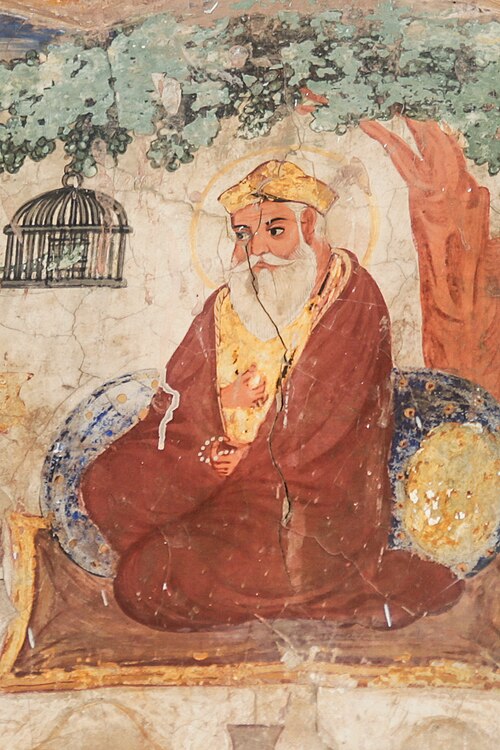 Philosophy · c. 1499–1539Guru NanakGuru Nanak (1469–1539) was a spiritual teacher and poet from the Punjab region of South Asia whom Sikhs revere as the first of their ten Gurus and the founder of Sikhism; he taught that there is one God, that all people are equal, and that a good life joins remembrance of God with honest work and sharing.Map
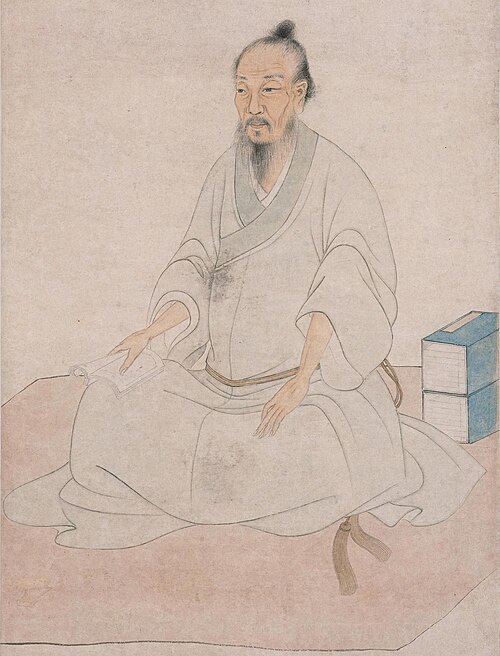 Philosophy · 1500–1529Wang YangmingWang Yangming was a Chinese philosopher, official and general of the Ming dynasty who taught that everyone already has an inner sense of right and wrong, and that truly knowing what is good cannot be separated from doing it.Map
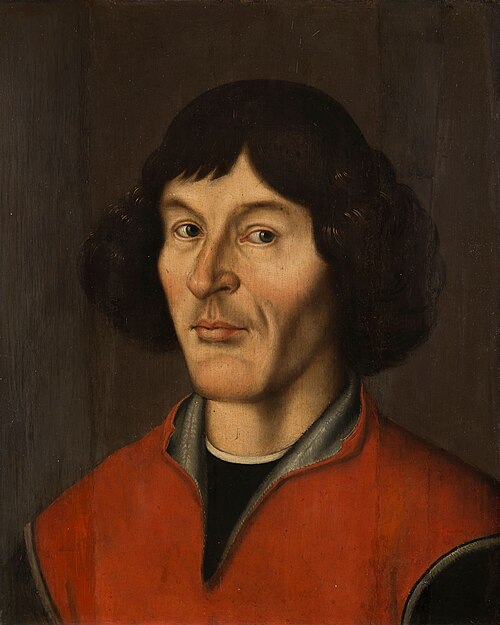 History · 1503–1543Nicolaus CopernicusNicolaus Copernicus (1473–1543) was a Renaissance astronomer and church administrator in Royal Prussia who argued, in his book On the Revolutions of the Heavenly Spheres (1543), that the Earth is a planet that turns daily on its axis and travels around the Sun.Map
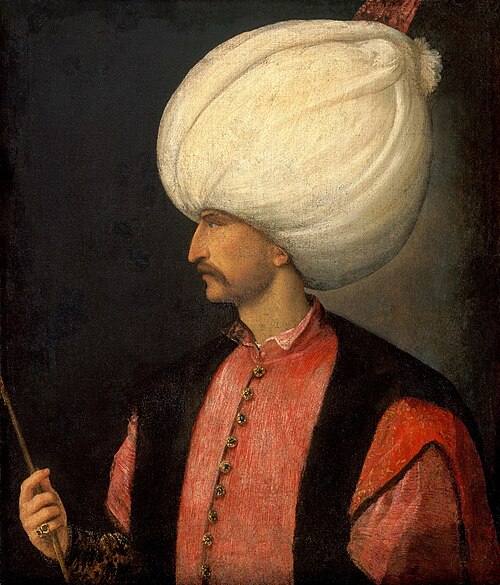 History · 1520–1566Suleiman the MagnificentSuleiman I was the tenth sultan of the Ottoman Empire, who ruled for forty-six years (1520–1566), led thirteen military campaigns from Hungary to Iraq, organised the empire’s laws, and presided over a golden age of architecture, poetry and court art centred on Istanbul.Map
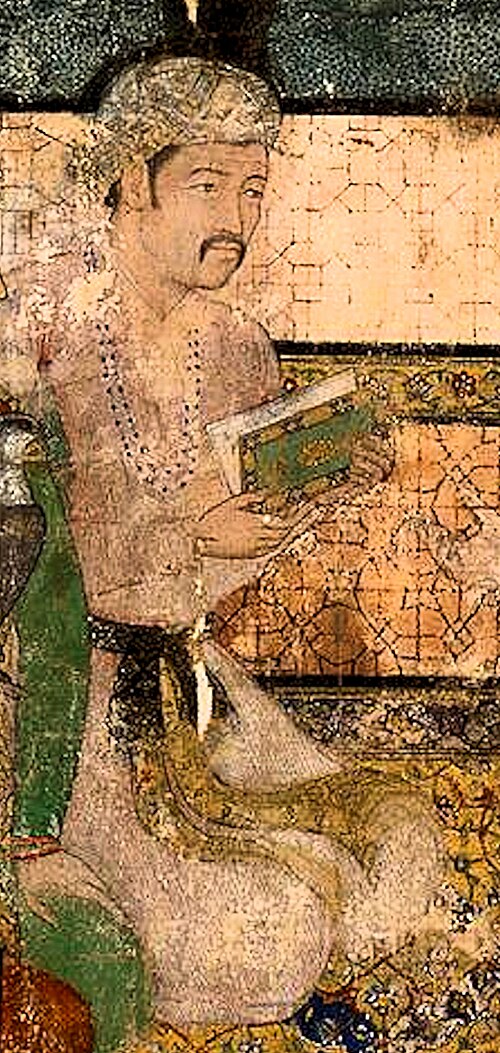 History · 1556–1605AkbarAkbar was the third emperor of the Mughal dynasty, who ruled a huge empire in South Asia from 1556 to 1605 and became famous for inviting people of many different religions to talk and debate at his court.Map
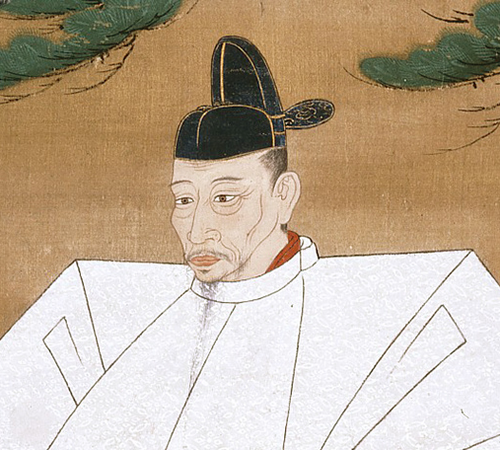 History · 1557–1598Toyotomi HideyoshiToyotomi Hideyoshi (1537–1598) rose from a humble family in Owari to become the ruler of all Japan, completing the country’s unification in 1590, but his invasions of Korea in 1592 and 1597 brought years of devastation to Joseon and did not achieve his aims, and within two decades of his death his family was destroyed by Tokugawa Ieyasu.Map
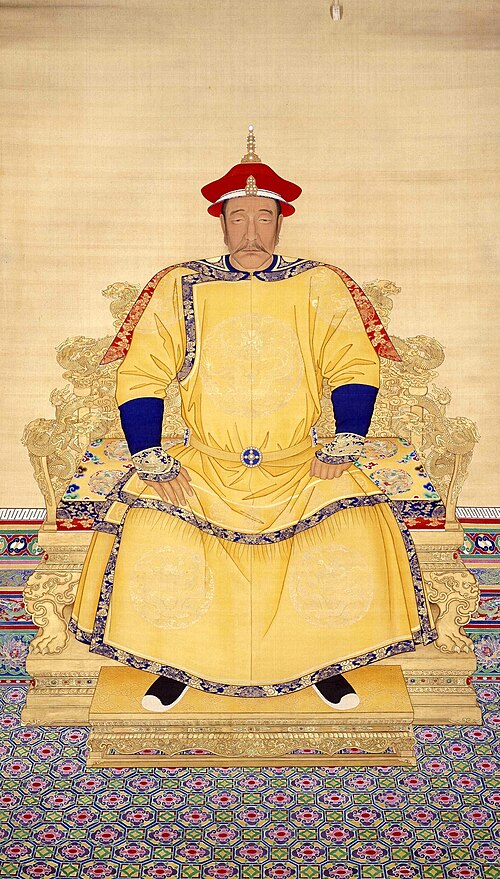 History · 1579–1626NurhaciNurhaci (1559–1626) was a Jianzhou Jurchen chief who, by the Qing dynasty’s own account, began in 1583 with thirteen suits of armour, united most Jurchen peoples, gave them a script and the Eight Banners, made himself khan in 1616, declared war on Ming China in 1618, crushed a Ming army that included a Korean contingent at Sarhu in 1619, took Liaodong in 1621 and died in 1626 after his first great failure at Ningyuan, leaving the state that became the Qing empire.Map
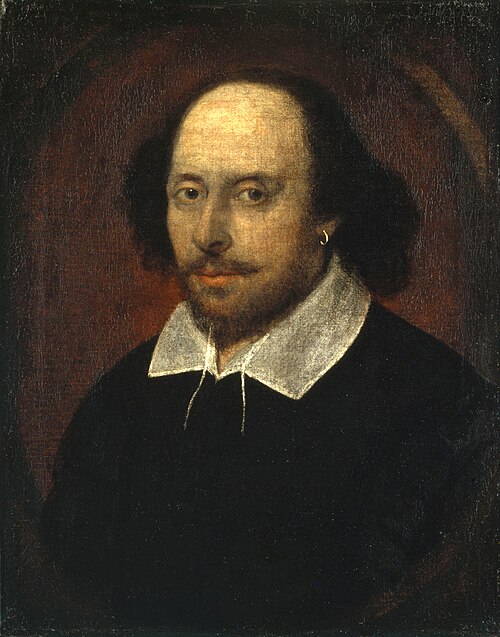 Literature · 1589–1613William ShakespeareWilliam Shakespeare was an English actor and writer, living about 400 years ago, whose plays about love, power, jealousy and ambition are still performed and read all over the world.Map
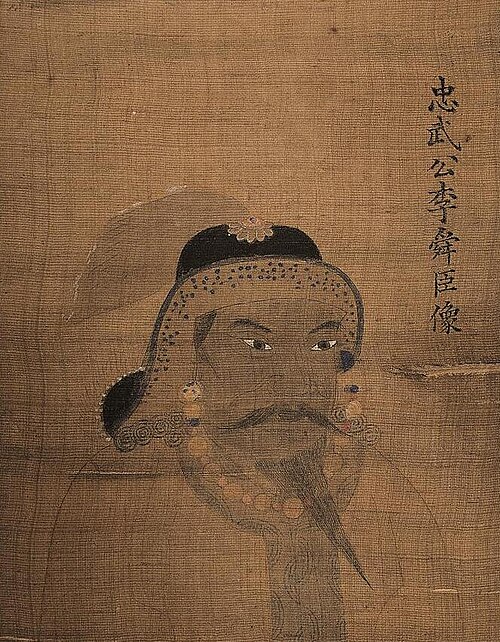 History · 1592–1598Yi Sun-sinYi Sun-sin was a Korean naval commander of the Joseon dynasty who defeated Japanese fleets again and again during the invasions of 1592–1598, kept a remarkable war diary, and died in the last great sea battle of the war.Map
- Literature · 1595–1641GwanghaegunGwanghaegun (1575–1641), second son of King Seonjo of Joseon, was made crown prince on the eve of the royal flight from Seoul in 1592 and led a “divided court” during the Imjin War, waited sixteen years in vain for the Ming emperor to recognise him as heir, reigned from 1608 to 1623 between a declining Ming and the rising Later Jin, and was deposed in a coup whose leaders also wrote the record of his reign.Map
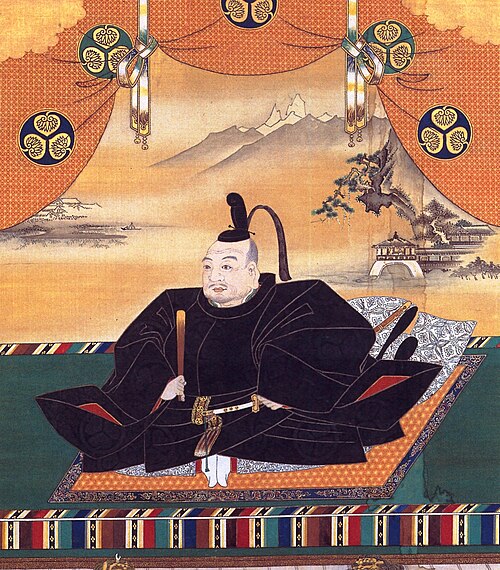 History · 1603–1616Tokugawa IeyasuTokugawa Ieyasu was a Japanese warlord who, after decades of civil war, won the Battle of Sekigahara in 1600 and founded the Tokugawa shogunate, a government that kept Japan largely at peace for more than 250 years.Map
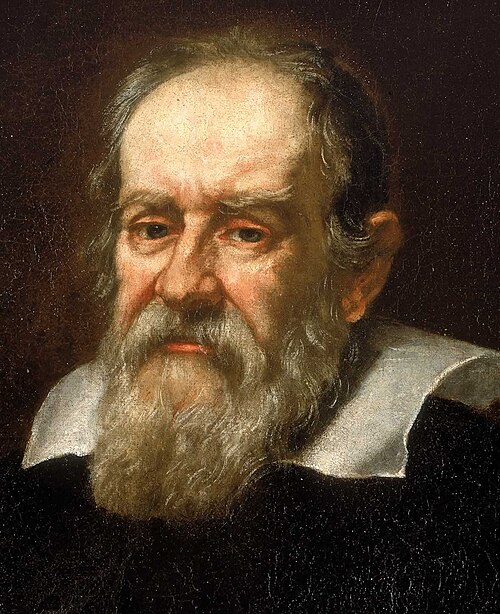 History · 1609–1642Galileo GalileiGalileo Galilei (1564–1642) was an Italian mathematician, physicist and astronomer who turned an improved telescope on the sky, laid foundations for the modern science of motion, championed the Sun-centred system of Copernicus, and was condemned by the Roman Inquisition in 1633.Map
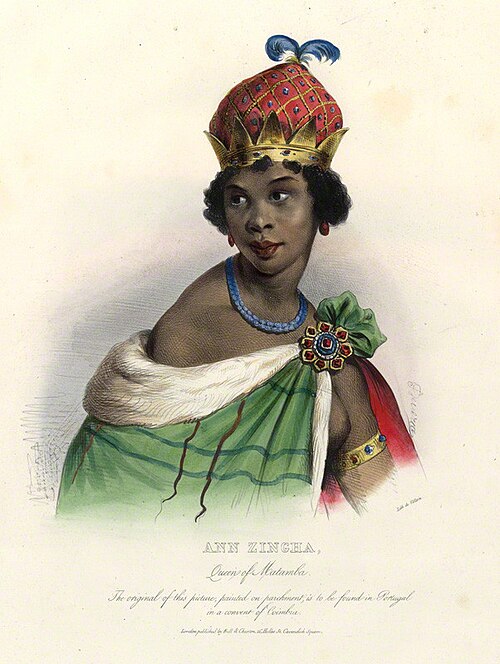 History · 1624–1663Nzinga of Ndongo and MatambaNzinga (Njinga Mbandi, c. 1583–1663) was a ruler of the Mbundu kingdoms of Ndongo and Matamba, in what is now northern Angola, who for almost forty years used diplomacy, war, religion and shifting alliances to resist Portuguese conquest and keep her kingdom independent.Map
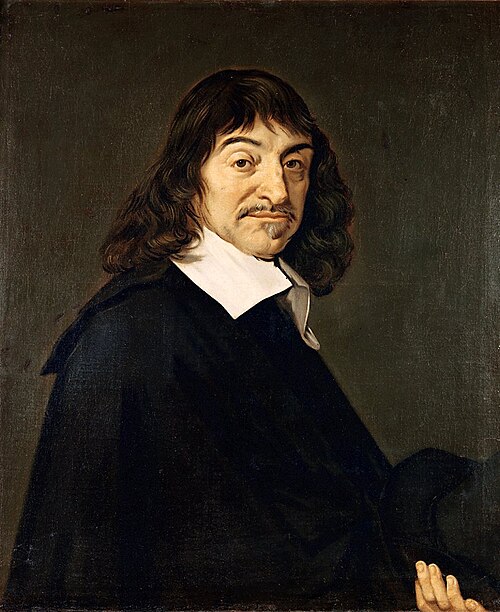 Philosophy · 1628–1649René DescartesRené Descartes was a French thinker of the 1600s who tried to rebuild all knowledge from the ground up by doubting everything he could, and who found one thing he could not doubt: “I think, therefore I am.”Map
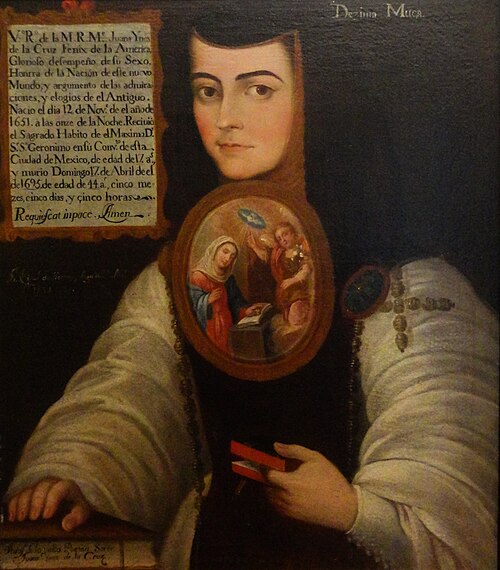 Literature · c. 1648–1695Sor Juana Inés de la CruzSor Juana Inés de la Cruz was a nun in seventeenth-century Mexico City who became one of the most celebrated poets of the Spanish-speaking world in her day, wrote plays and songs in several languages, and argued with rare boldness that women have the right to learn.Map
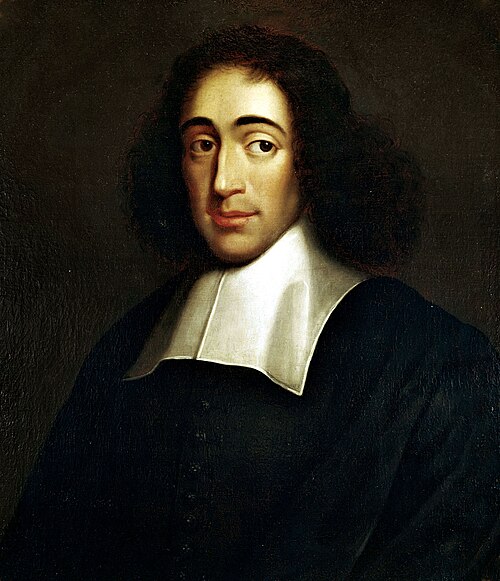 Philosophy · 1656–1677Baruch SpinozaBaruch Spinoza was a seventeenth-century Dutch philosopher who argued that God and Nature are one and the same, that everything happens by necessity, and that people become free and happy by understanding the world, and who defended freedom of thought at a time when that was dangerous.Map
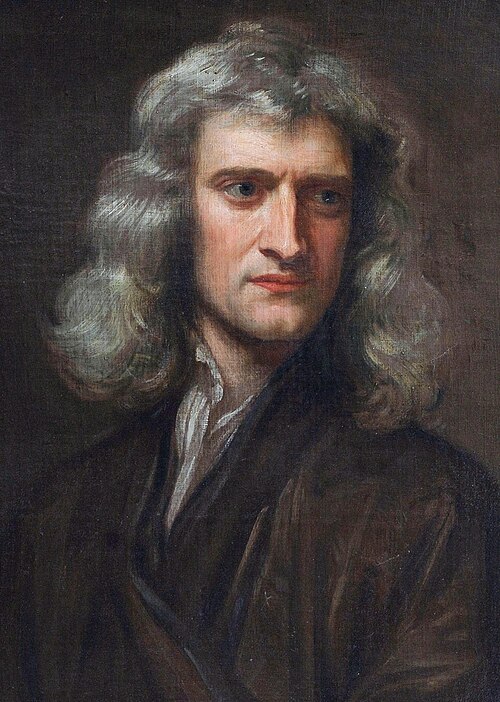 History · 1665–1687Isaac NewtonIsaac Newton (1642–1727) was an English mathematician and natural philosopher who invented a form of calculus, showed that white light is a mixture of colours, and in his Principia (1687) set out the laws of motion and universal gravitation that explained both falling apples and the orbits of planets.Map
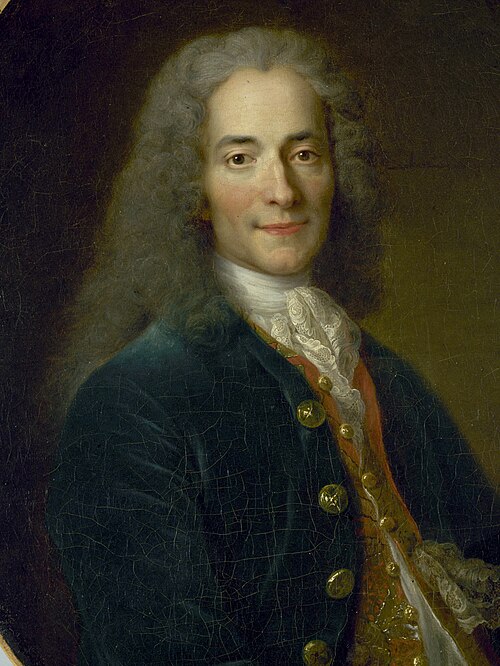 Philosophy · 1718–1778VoltaireVoltaire was an eighteenth-century French writer who used plays, poems, stories, essays and thousands of letters to mock fanaticism, champion reason and science, and campaign against religious intolerance and unjust trials, becoming the most famous voice of the Enlightenment.Map
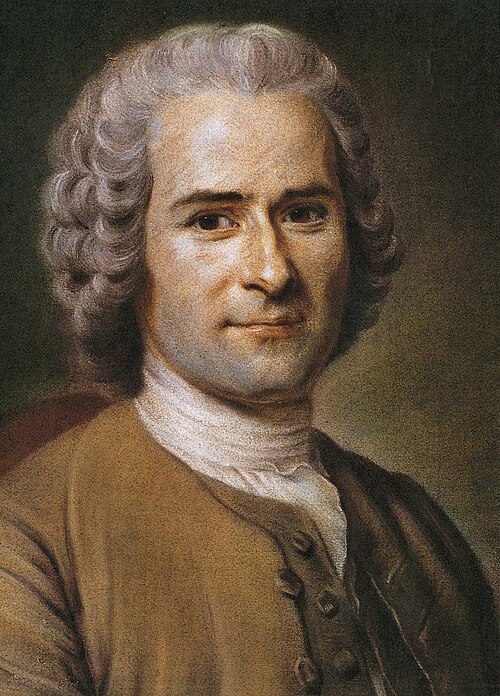 Philosophy · 1750–1778Jean-Jacques RousseauJean-Jacques Rousseau was an eighteenth-century writer from Geneva who argued that people are good by nature but are spoiled by unfair societies, and who asked how people could live together freely and as equals.Map
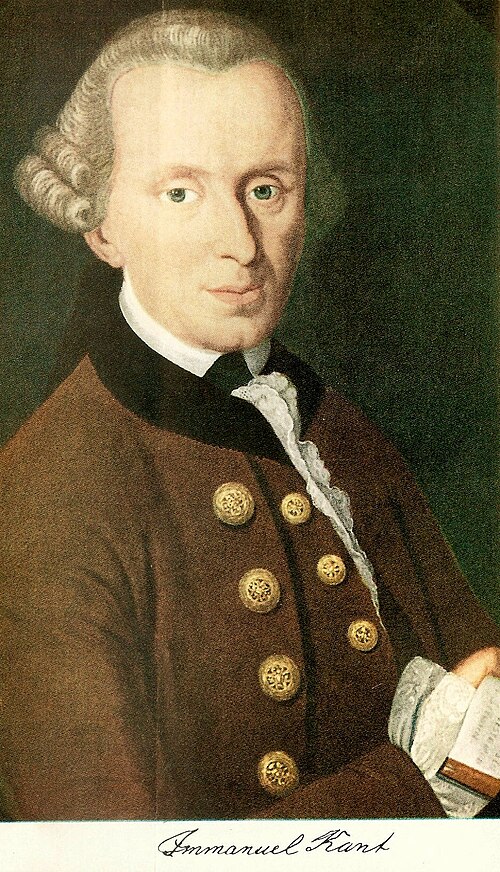 Philosophy · 1755–1804Immanuel KantImmanuel Kant was a German-speaking philosopher from Königsberg who asked what we can know, what we ought to do and what we may hope for, and whose answers changed modern philosophy.Map
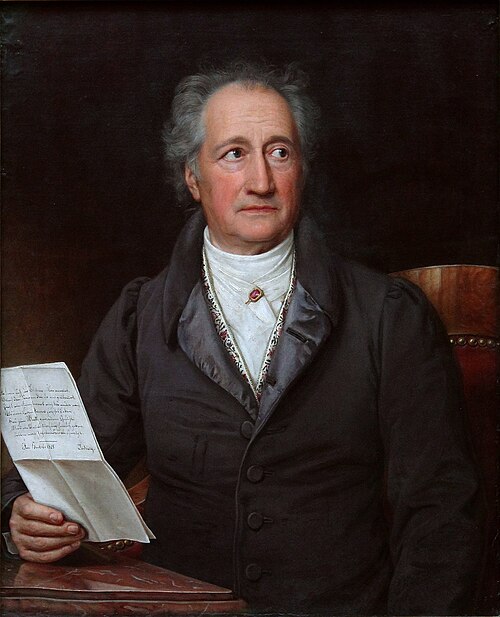 Literature · 1773–1832Johann Wolfgang von GoetheGoethe (1749–1832) was a German poet, playwright, novelist, statesman and scientist whose works, above all The Sorrows of Young Werther and Faust, made him the central figure of German literature and one of the great writers of the world.Map