CourseEast Asia and the World, 400–700: Kingdoms, Faiths and Laws →CourseHow Writing Survives: Clay, Stone, Print and Voice →CourseThe Imjin War, 1592–1598: Seven Years in Sixteen Stops →
People
In-depth guides that start simply enough for children and go deep enough for researchers.
91 articles
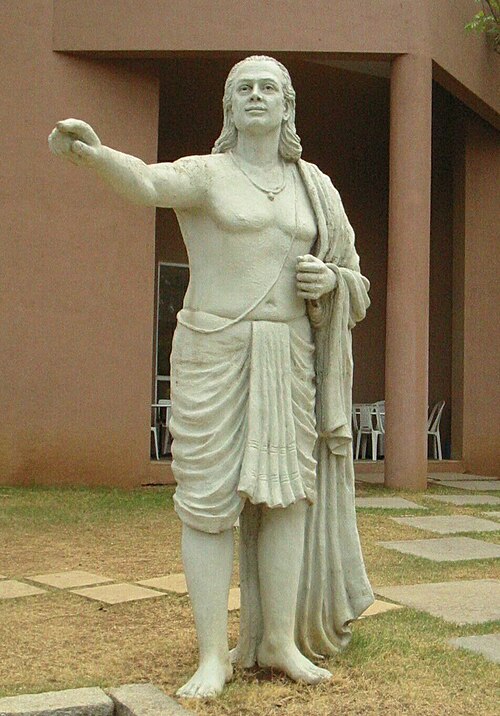 History · c. 499–550 CEAryabhataAryabhata (born 476 CE) was an Indian mathematician and astronomer whose short book in verse, the Āryabhaṭīya (linked to the year 499, when he was 23), worked with decimal place value, gave pi as about 3.1416, listed a table of sines, explained eclipses by shadows and proposed that the Earth spins on its axis, though it contains no symbol for zero.Map
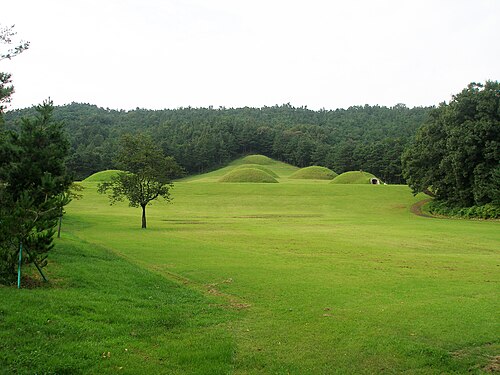 History · 523–554 CEKing Seong of BaekjeKing Seong ruled the Korean kingdom of Baekje from 523 to 554, moved its capital to Sabi, linked it with southern China and Japan through envoys, scholars and Buddhist gifts, and died in battle trying to win back the Han River valley from Silla.Map
- History · c. 527 CEIchadonIchadon was a young official at the court of the Korean kingdom of Silla who, according to tradition, gave up his life in 527 so that Buddhism could be accepted by the kingdom, and his story became one of the best-known martyr legends in Korea.Map
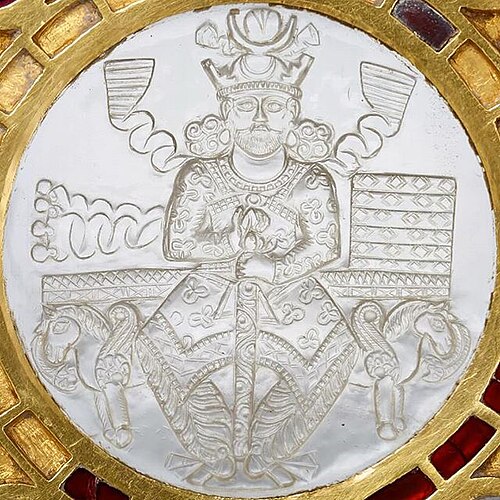 History · 531–579 CEKhosrow I AnushirvanKhosrow I, called Anushirvan, was king of the Sasanian Persian Empire from 531 to 579, a reforming ruler who rebuilt his state’s taxes and army, fought and bargained with the Roman emperor Justinian, welcomed books and scholars from India and Greece, and was later remembered across the Islamic world as the model of a just king.Map
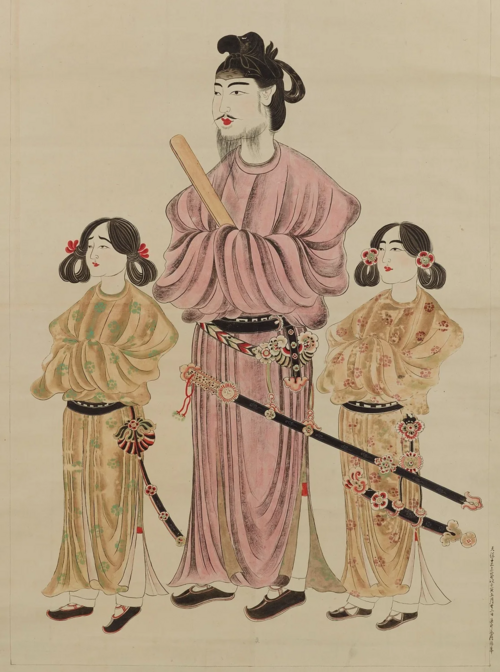 History · 594–622 CEPrince ShōtokuPrince Shōtoku was a Japanese royal who helped rule Japan around the year 600, and who is remembered for spreading Buddhism, writing down rules for good government and sending envoys to China — though historians still argue about how much of his story is true.Map
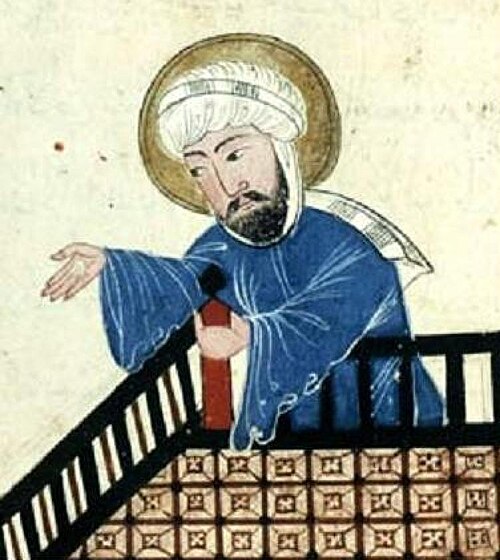 History · 610–632 CEMuhammadMuhammad was a man from the Arabian city of Mecca who lived about 1,400 years ago; Muslims believe he was the last prophet sent by God, and the religion he preached, Islam, is today followed by nearly a quarter of the world’s people.Map
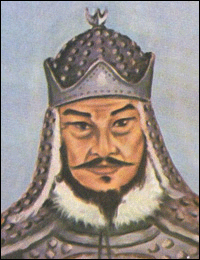 History · c. 642–665 CEYeon GaesomunYeon Gaesomun was a powerful general who seized control of the Korean kingdom of Goguryeo in 642 and led it for more than twenty years against the armies of Tang China, and people still argue about whether he was a hero, a tyrant, or both.Map
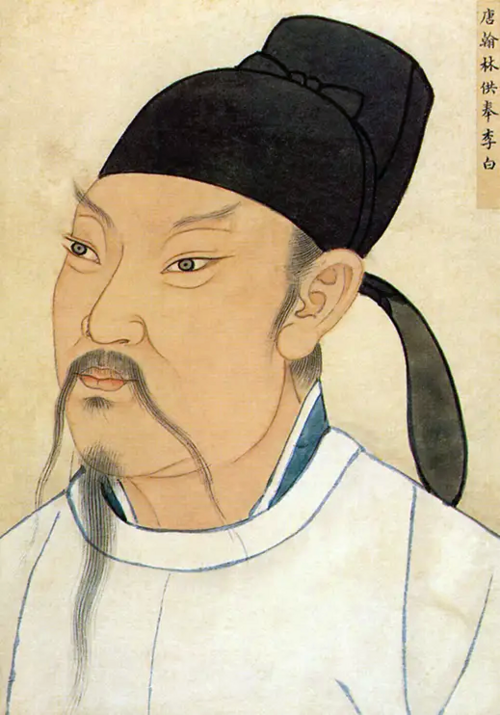 Literature · 725–762 CELi BaiLi Bai was a wandering poet of Tang China, about 1,300 years ago, whose poems about the moon, wine, mountains and friendship are still learned by heart by millions of people.Map
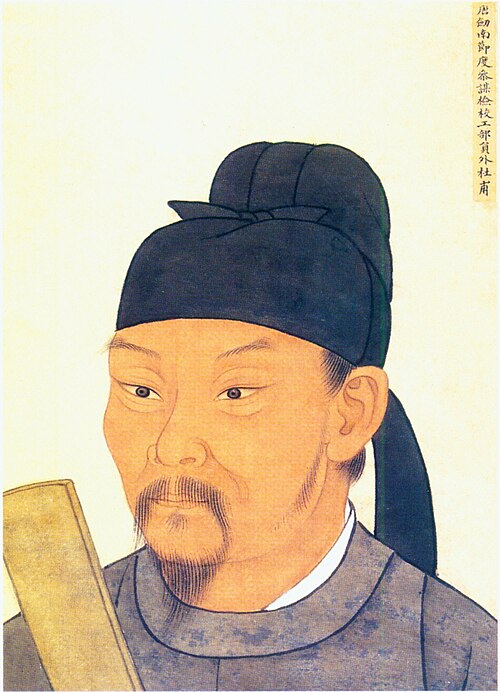 Literature · 735–770 CEDu FuDu Fu was a Tang Chinese poet who lived through a terrible civil war about 1,250 years ago and wrote honest, beautifully crafted poems about his family, his country and the suffering of ordinary people.Map
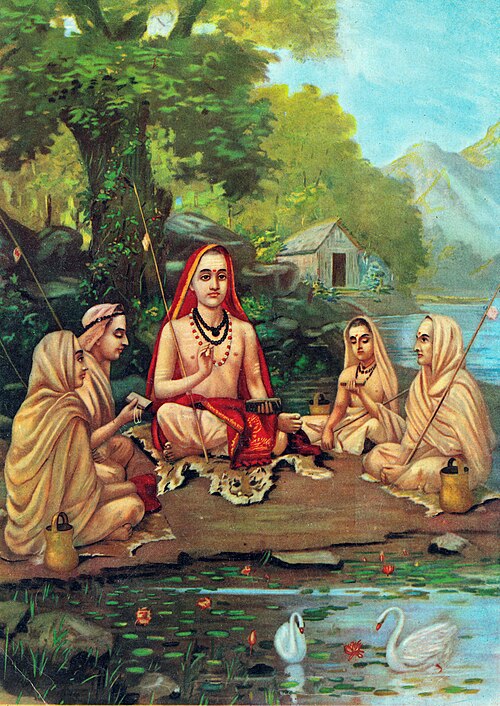 Philosophy · c. 788–820 CEAdi ShankaraAdi Shankara was an Indian teacher, probably of the eighth century, who explained old Hindu scriptures to show that your deepest self and the one reality behind the whole universe, called brahman, are not two different things.Map
 Philosophy · 804–835 CEKūkaiKūkai was a Japanese Buddhist monk of the early ninth century who studied in Tang China, brought back a new form of esoteric Buddhism, and founded the Shingon school with its great mountain monastery on Mount Kōya.Map
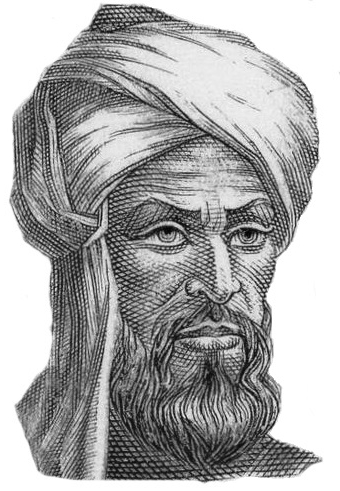 History · c. 820–850 CEAl-KhwarizmiAl-Khwarizmi was a ninth-century scholar in Abbasid Baghdad whose Arabic books on solving equations, on calculating with Indian numerals, on the stars and on world geography gave us the words “algebra” and “algorithm.”Map
 Philosophy · c. 900–950 CEAl-FarabiAl-Farabi was a philosopher who lived about 1,100 years ago, mostly in Baghdad, and who explained Aristotle so well that people called him “the Second Teacher”; he also wrote about how to build a good and happy city and about the science of music.Map
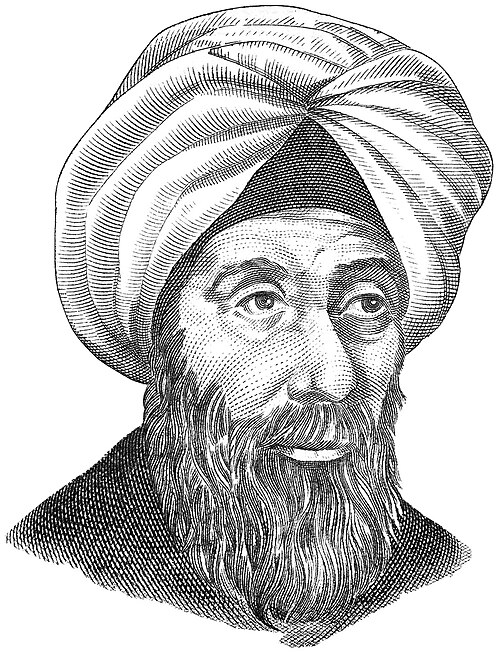 History · c. 1000–1040Ibn al-Haytham (Alhazen)Ibn al-Haytham, known in Latin Europe as Alhazen, was an Arabic-writing scientist born in Basra who worked in Fatimid Cairo in the early eleventh century and whose Book of Optics explained vision as light entering the eye and tested ideas with careful experiments.Map
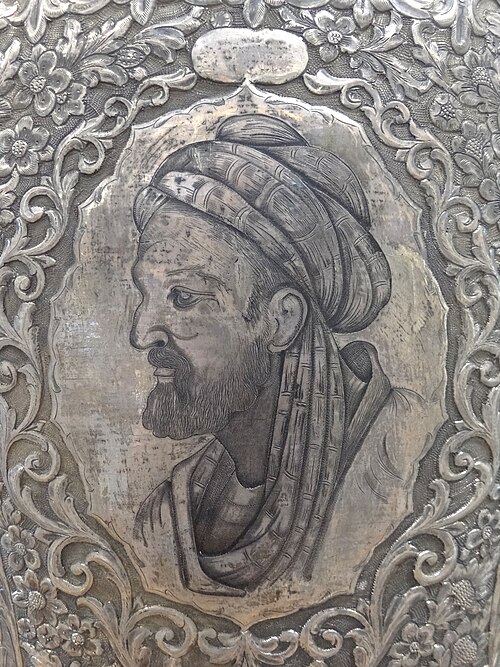 Philosophy · 1000–1037Avicenna (Ibn Sina)Avicenna, whose real name was Ibn Sina, was a brilliant doctor and thinker from Central Asia about 1,000 years ago whose books on medicine and philosophy were studied from Persia to Europe for hundreds of years.Map
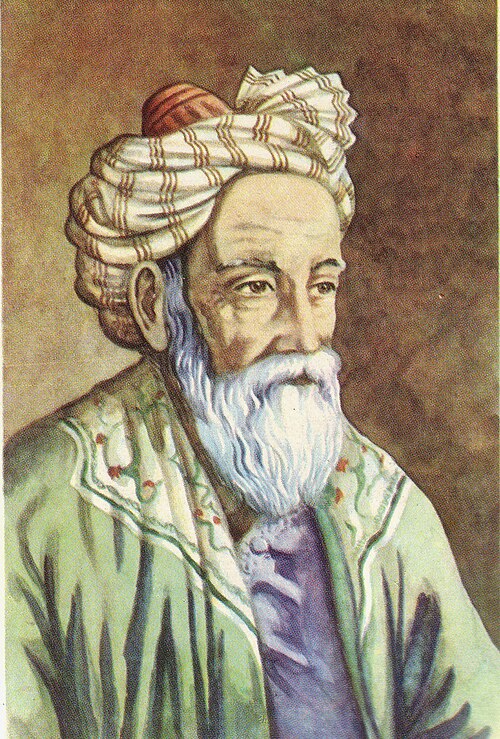 Philosophy · c. 1070–1131Omar KhayyamOmar Khayyam was an eleventh- and twelfth-century Persian mathematician, astronomer and philosopher from Nishapur who solved cubic equations with geometry and helped create a remarkably accurate solar calendar, and whose name is attached to famous quatrains that may or may not be his.Map
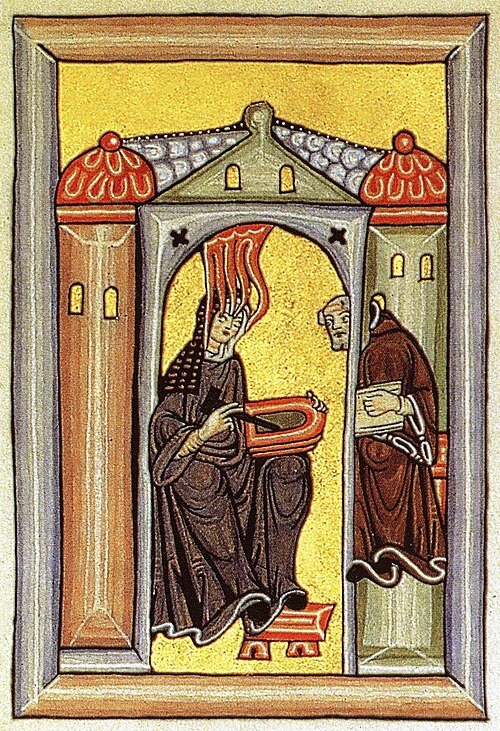 Philosophy · 1141–1179Hildegard of BingenHildegard of Bingen (c. 1098–1179) was a German Benedictine abbess who wrote books of visionary theology, composed some of the most distinctive music of the Middle Ages, wrote on medicine and nature, founded two convents on the Rhine and corresponded with popes and emperors.Map
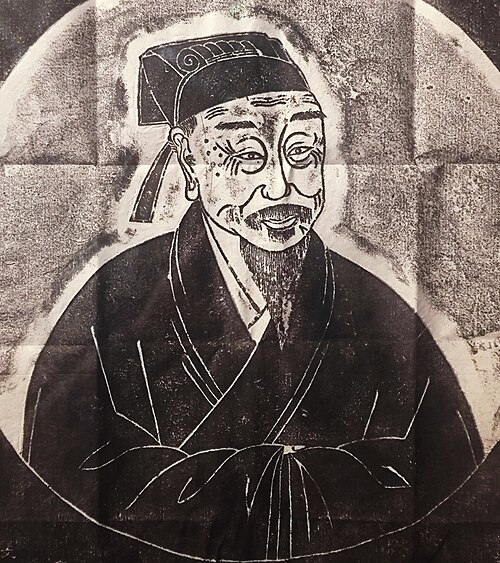 Philosophy · 1150–1200Zhu XiZhu Xi was a Chinese teacher and philosopher of the Song dynasty, about 850 years ago, who explained Confucius's teachings in a new, orderly way that students and officials across China, Korea, Japan and Vietnam followed for some seven hundred years.Map
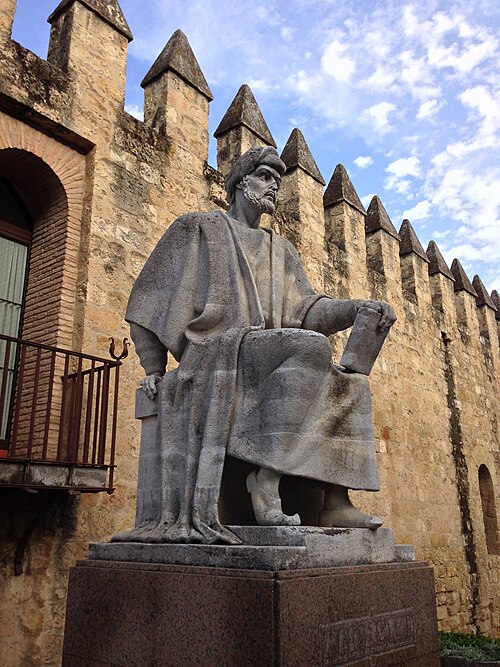 Philosophy · 1160–1198Averroes (Ibn Rushd)Averroes, called Ibn Rushd in Arabic, was a judge, doctor and philosopher from Córdoba in Muslim Spain who lived about 850 years ago and wrote such careful explanations of Aristotle that scholars in Europe simply called him “the Commentator”.Map
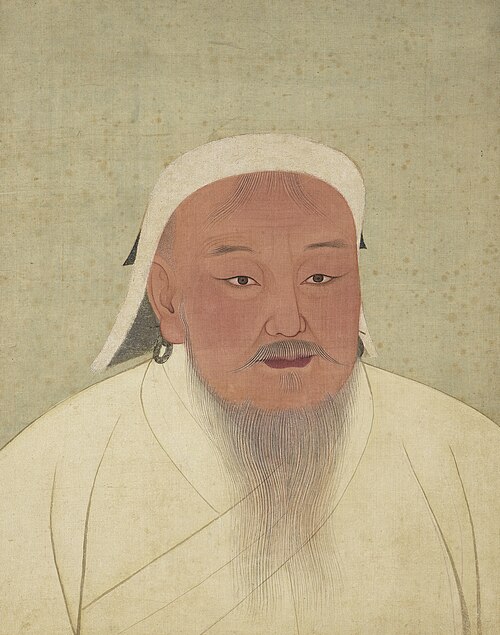 History · 1206–1227Genghis KhanGenghis Khan was a Mongol leader who grew up poor on the grasslands of Mongolia, united the peoples of the steppe in 1206, and began conquests that created the largest land empire in history, at a terrible cost in lives.Map
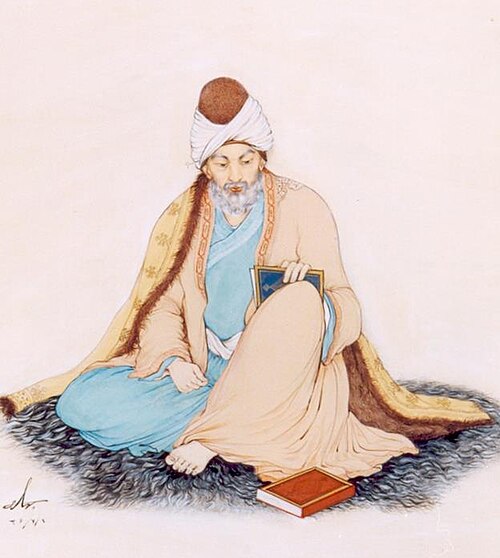 Literature · 1244–1273RumiRumi was a thirteenth-century Muslim scholar and Sufi teacher in Konya, in present-day Turkey, whose Persian poems about love, longing and the search for God are still read and sung all over the world.Map
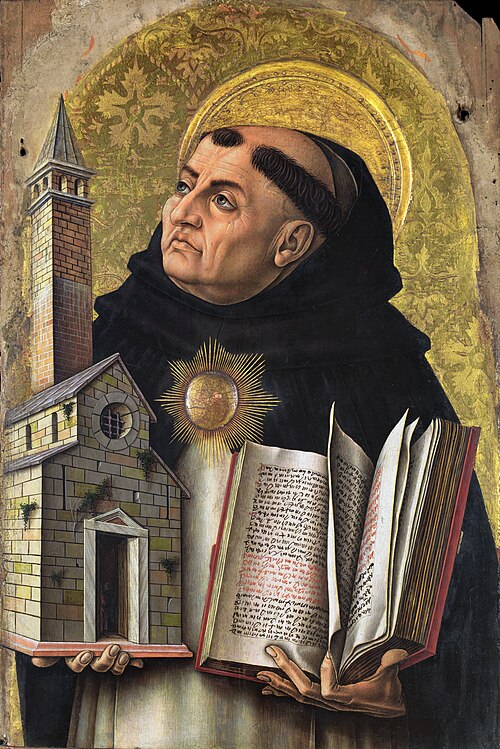 Philosophy · 1252–1274Thomas AquinasThomas Aquinas was a thirteenth-century Italian friar and teacher at the University of Paris who tried to show that faith and reason work together, combining the philosophy of Aristotle with Christian theology in huge, carefully organized books.Map
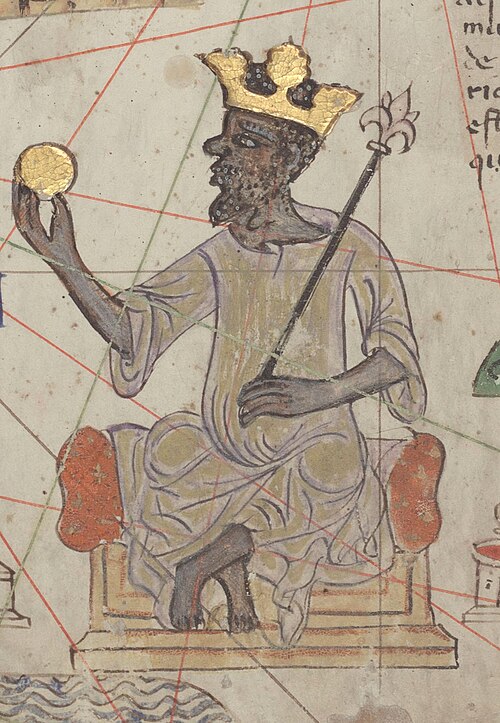 History · c. 1312–1337Mansa MusaMansa Musa was a fourteenth-century king of the Mali Empire in West Africa whose spectacular pilgrimage to Mecca in 1324–25, laden with gold, made his realm famous across the Islamic world and Europe.Map
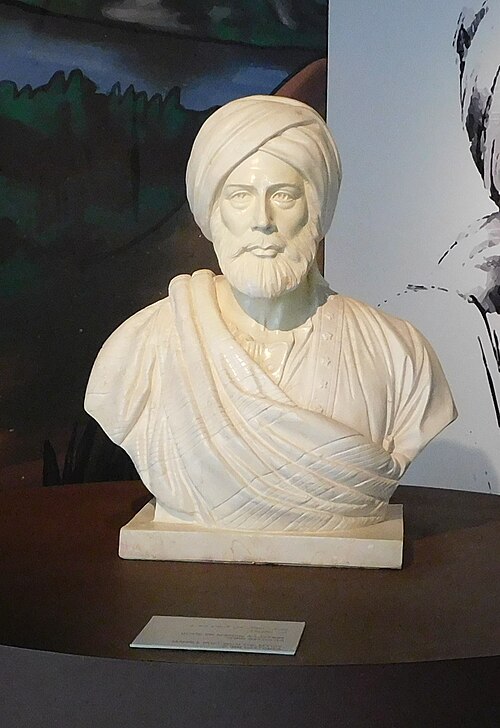 Literature · 1325–1354Ibn BattutaIbn Battuta was a fourteenth-century Moroccan scholar who set out on pilgrimage to Mecca in 1325 and kept travelling for almost thirty years, through Africa, the Middle East, Central and South Asia and China, then told his adventures in a famous book called the Rihla.Map