CourseEast Asia and the World, 400–700: Kingdoms, Faiths and Laws →CourseHow Writing Survives: Clay, Stone, Print and Voice →CourseThe Imjin War, 1592–1598: Seven Years in Sixteen Stops →
Art & other works
In-depth guides that start simply enough for children and go deep enough for researchers.
33 articles
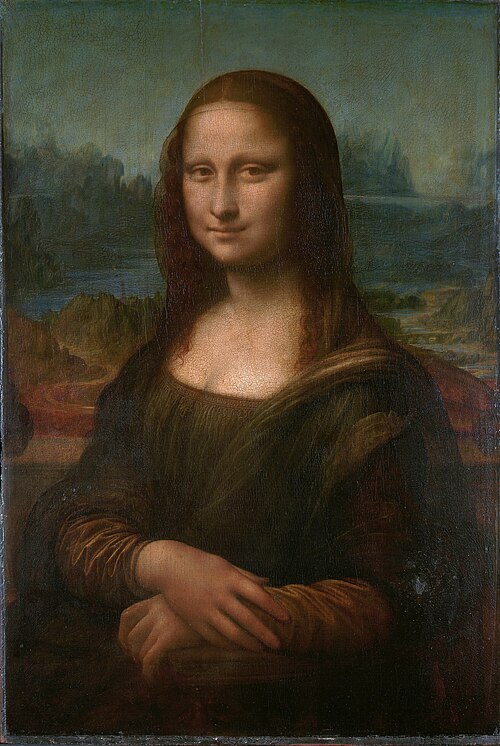 Art · 1503–1519Mona LisaThe Mona Lisa is a small portrait of a Florentine woman, Lisa Gherardini, that Leonardo da Vinci began around 1503 and kept working on for years, and it has become the most famous painting in the world.Map
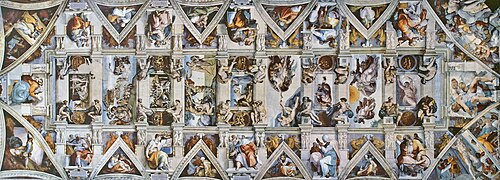 Art · 1508–1512Sistine Chapel ceilingBetween 1508 and 1512 Michelangelo covered the vaulted ceiling of the pope’s chapel in the Vatican with more than 300 painted figures, telling the Bible’s story from the creation of the world to Noah and surrounding it with prophets, sibyls and the ancestors of Christ.Map
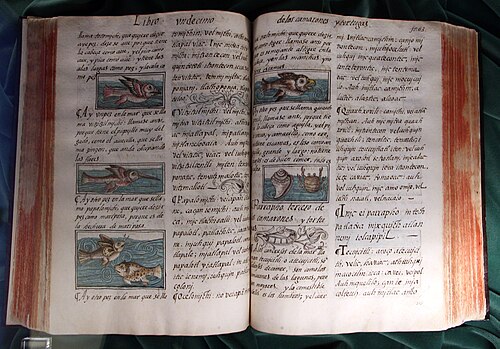 History · c. 1545–1577Florentine CodexThe Florentine Codex is a 16th-century encyclopedia of Nahua (Aztec) life, written in parallel columns of Nahuatl and Spanish and painted with nearly 2,500 images by Nahua scholars, elders and artists working with the Franciscan friar Bernardino de Sahagún, and completed at Tlatelolco in Mexico in 1575–1577.Map
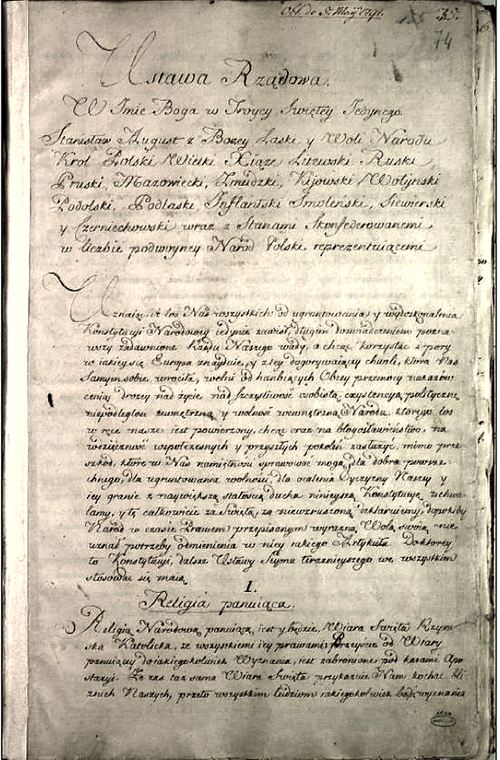 History · 1791Constitution of 3 May 1791The Constitution of 3 May 1791 was a written constitution adopted in Warsaw by the parliament of the Polish–Lithuanian Commonwealth, which tried to save the weakened state by abolishing the paralysing liberum veto, dividing power among three branches and giving new rights to townspeople, but was overthrown by Russian invasion within nineteen months.Map
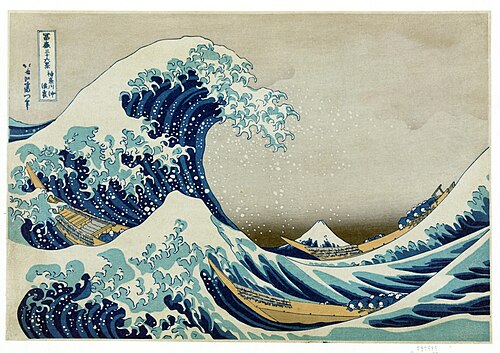 Art · c. 1830–1832The Great Wave off KanagawaThe Great Wave off Kanagawa is a Japanese woodblock print made by the artist Hokusai around 1831, showing a giant wave curling over three fishing boats while little Mount Fuji watches from far away.Map
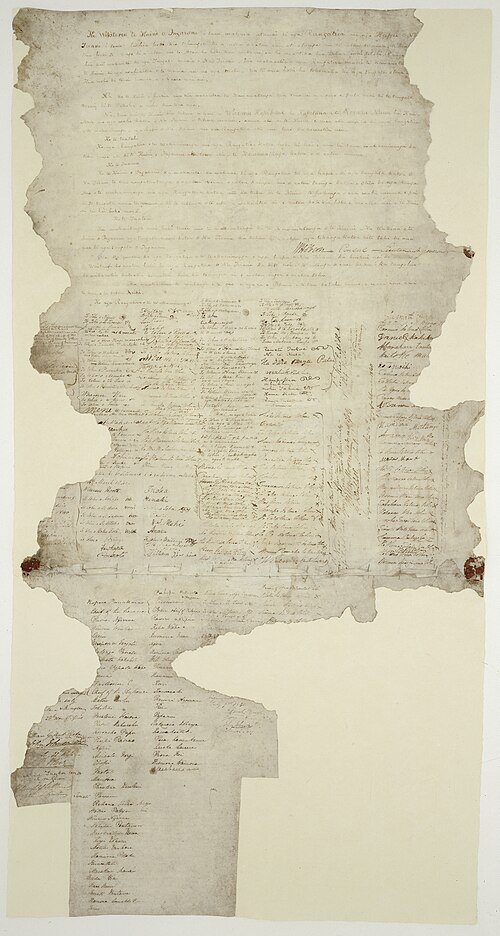 History · 1840Treaty of WaitangiThe Treaty of Waitangi, first signed on 6 February 1840 at Waitangi in the Bay of Islands by a representative of the British Crown and Māori rangatira (chiefs), is an agreement in two languages whose texts differ on the key questions of sovereignty and authority, and which has become a founding document of Aotearoa New Zealand.Map
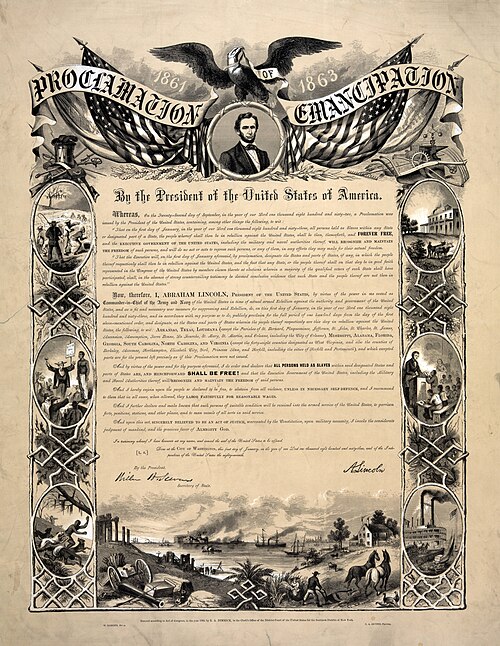 History · 1863Emancipation ProclamationThe Emancipation Proclamation was an order issued by U.S. President Abraham Lincoln on January 1, 1863, during the Civil War, declaring that all people held as slaves in the areas then in rebellion against the United States “are, and henceforward shall be free,” and opening the Union army and navy to Black men.Map
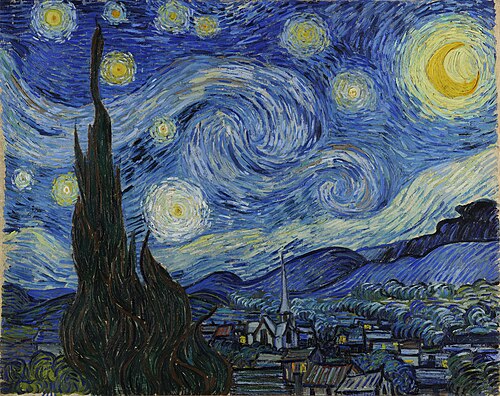 Art · 1889The Starry NightThe Starry Night is a painting Vincent van Gogh made in June 1889 at a hospital in the south of France, showing a swirling, glowing night sky above a quiet village, and it has become one of the most famous paintings in the world.Map
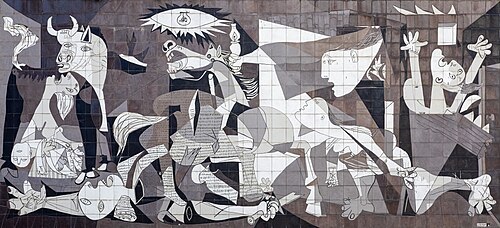 Art · 1937Guernica (Picasso)Guernica is a huge black, white and grey painting that Pablo Picasso made in 1937 after warplanes bombed a small Basque town during the Spanish Civil War, and it has become one of the world’s most famous images against war.Map