Terra Scripta
/
Loading…
Loading…
Terra Scripta maps world literature, philosophy, history, art and cultural heritage from the earliest surviving texts to 1945. Move through time and see what was being written, thought and made in different places at roughly the same moment.
In-depth guides that start simply enough for children and go deep enough for researchers.
What you will find here that a general encyclopedia does not offer: every article sits on a historical map at its own year, next to what was being written, built and fought over elsewhere in the world at the same time; selected war articles include step-by-step campaign maps; and each article is written in layers, from an introduction for children to advanced scholarship.
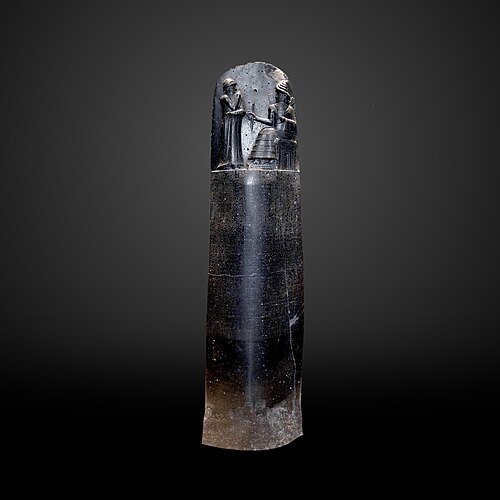 History · c. 1754 BCECode of HammurabiThe Code of Hammurabi is a list of about 280 rules for judging cases that King Hammurabi of Babylon had carved on a tall black stone almost 3,800 years ago, to show that he was a fair and just king.
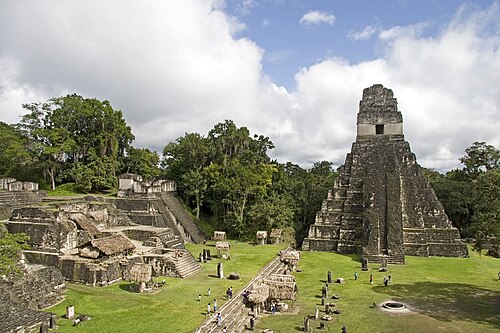 Heritage · c. 400 BCE – 899 CETikalTikal is the ruin of one of the greatest Maya cities, in the rainforest of northern Guatemala, where over many centuries kings raised stone temple-pyramids taller than the jungle trees and recorded their wars and alliances in carved writing.
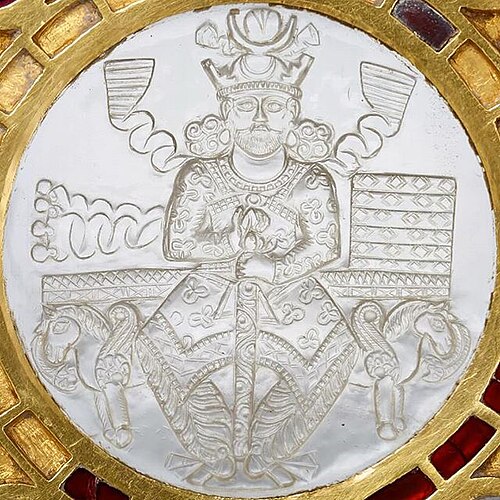 History · 531–579 CEKhosrow I AnushirvanKhosrow I, called Anushirvan, was king of the Sasanian Persian Empire from 531 to 579, a reforming ruler who rebuilt his state’s taxes and army, fought and bargained with the Roman emperor Justinian, welcomed books and scholars from India and Greece, and was later remembered across the Islamic world as the model of a just king.
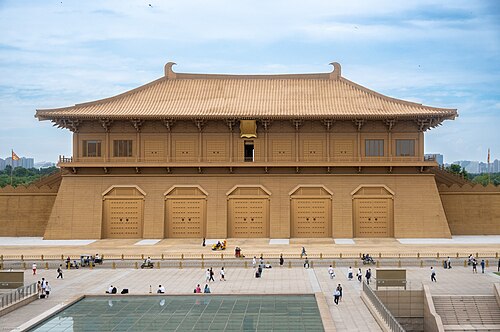 Heritage · 634–904 CEDaming PalaceThe Daming Palace was the largest palace complex of Tang-dynasty China: begun in 634 on a low plateau just outside the north-east corner of the capital Chang’an, it became the emperors’ main residence and seat of government from 663, received envoys from Japan, Silla and lands far to the west, and was ruined in the wars that ended the dynasty, its city being dismantled in 904.
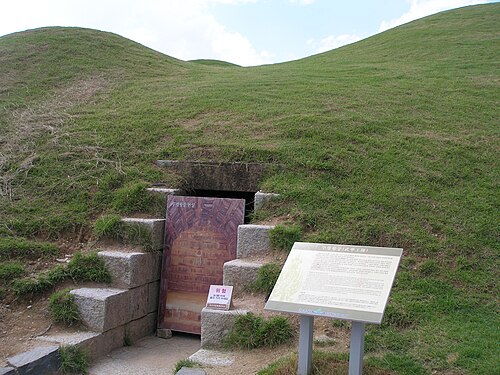 Heritage · 525–529 CETomb of King MuryeongThe Tomb of King Muryeong in Gongju, Korea, is an unlooted Baekje brick-chamber tomb in which the king was laid in 525 and his queen in 529; discovered in 1971, it held more than four thousand objects and two epitaph stones that name exactly who was buried there.
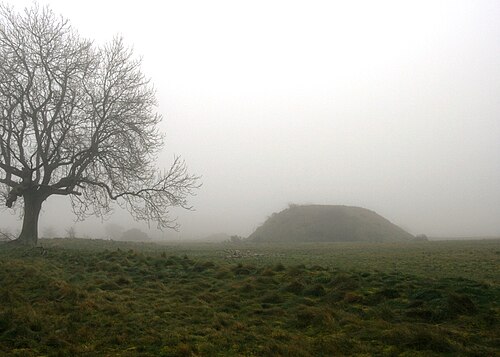 Heritage · c. 610–635 CESutton HooSutton Hoo is a group of grassy burial mounds in eastern England where, about 1,400 years ago, people dragged a 27-metre ship up from the river, filled it with treasures from as far away as Constantinople, and buried a powerful man inside it.
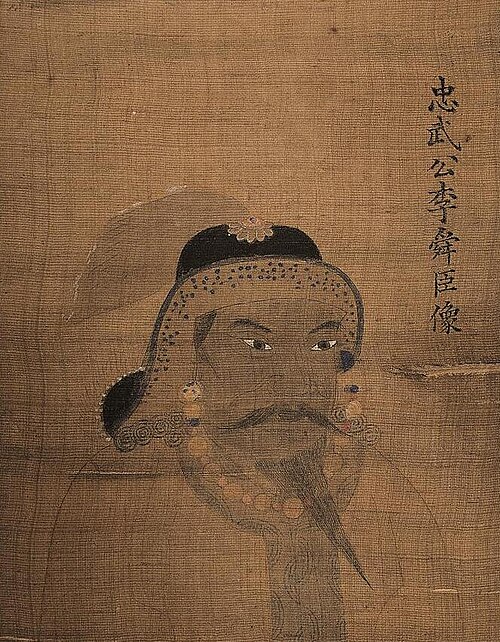 History · 1592–1598Yi Sun-sinYi Sun-sin was a Korean naval commander of the Joseon dynasty who defeated Japanese fleets again and again during the invasions of 1592–1598, kept a remarkable war diary, and died in the last great sea battle of the war.
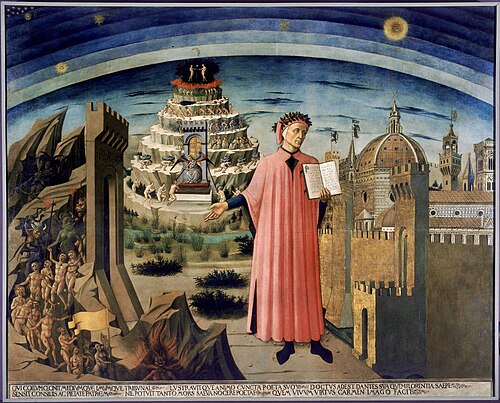 Literature · c. 1308–1321Divine ComedyThe Divine Comedy is a very long Italian poem, written by Dante Alighieri between about 1308 and his death in 1321, in which the poet imagines walking through Hell, climbing the mountain of Purgatory and rising up to Heaven; it is a founding work of Italian literature.
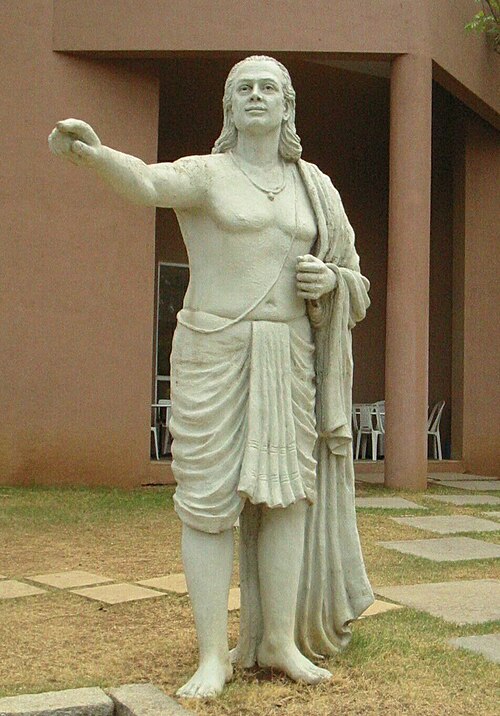 History · c. 499–550 CEAryabhataAryabhata (born 476 CE) was an Indian mathematician and astronomer whose short book in verse, the Āryabhaṭīya (linked to the year 499, when he was 23), worked with decimal place value, gave pi as about 3.1416, listed a table of sines, explained eclipses by shadows and proposed that the Earth spins on its axis, though it contains no symbol for zero.
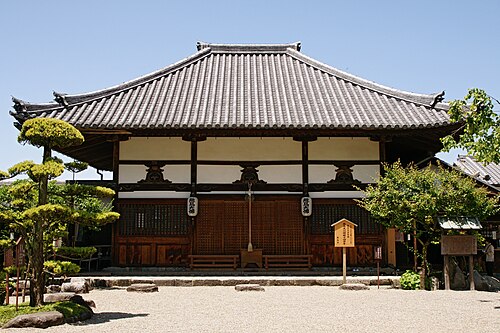 Heritage · 588–596 CEAsuka-deraAsuka-dera, finished in 596 in the Asuka valley of Japan, was the country’s first full-scale Buddhist temple, built by the Soga clan with craftsmen sent from the Korean kingdom of Baekje, and its bronze Great Buddha still sits on the same spot today.
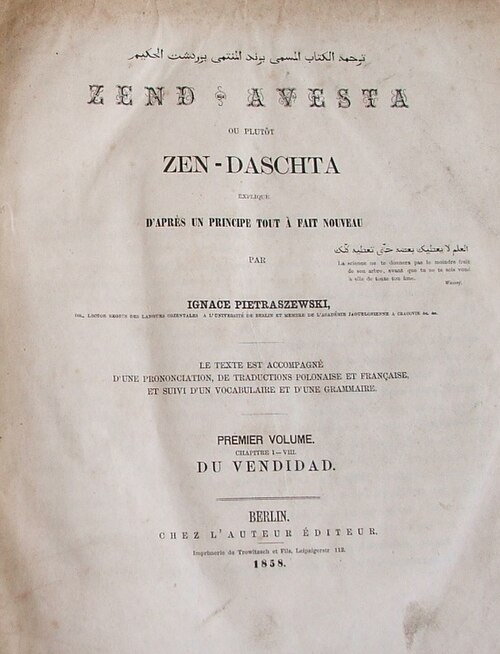 Philosophy · c. 1000 BCE – 600 CEAvestaThe Avesta is the holy book of Zoroastrianism, a collection of very old prayers, hymns and laws in an ancient Iranian language that priests memorised and recited for many centuries before anyone wrote them down.