CourseEast Asia and the World, 400–700: Kingdoms, Faiths and Laws →CourseHow Writing Survives: Clay, Stone, Print and Voice →CourseThe Imjin War, 1592–1598: Seven Years in Sixteen Stops →
Wars & battles
In-depth guides that start simply enough for children and go deep enough for researchers.
54 articles
- War · 1592Battle of Hansan IslandThe Battle of Hansan Island was a sea battle fought on the 8th day of the 7th lunar month of 1592 (14 August in the Western calendar) off Hansan Island on Korea’s southern coast, where the Joseon fleet under Yi Sun-sin lured a Japanese squadron out of a narrow strait and destroyed most of it, after which the Japanese stopped seeking battle at sea and Joseon kept control of the waters leading west.Map
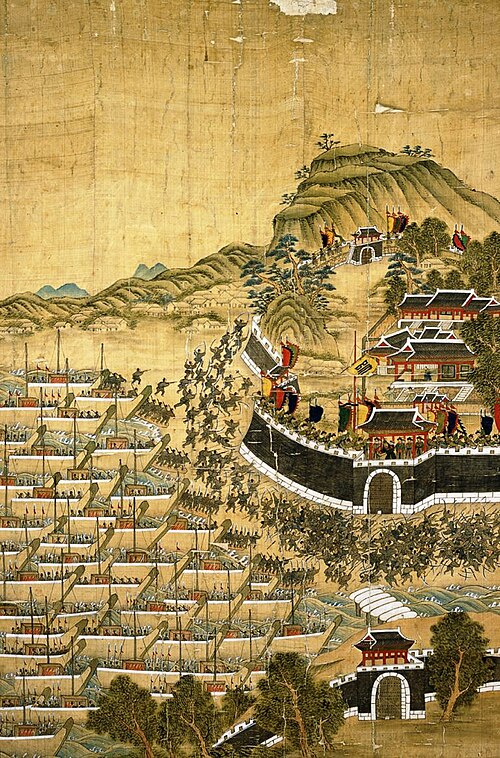 War · 1592–1598Japanese invasions of Korea (Imjin War)Between 1592 and 1598 the Japanese ruler Toyotomi Hideyoshi sent huge armies into Korea as a first step toward conquering China, and Korea, helped by Ming China, fought them off in a war that devastated the Korean peninsula and changed all three countries.Map
- History · 1593Battle of ByeokjegwanOn the 27th day of the 1st lunar month of 1593 (27 February in the Western calendar), Japanese forces that had marched out of Hanseong (Seoul) trapped and defeated the Ming general Li Rusong, who had ridden ahead of his main army with his cavalry, at the Yeoseongnyeong pass south of the Byeokjegwan relay station, and the Ming advance toward Hanseong that had followed the recapture of Pyongyang was checked.Map
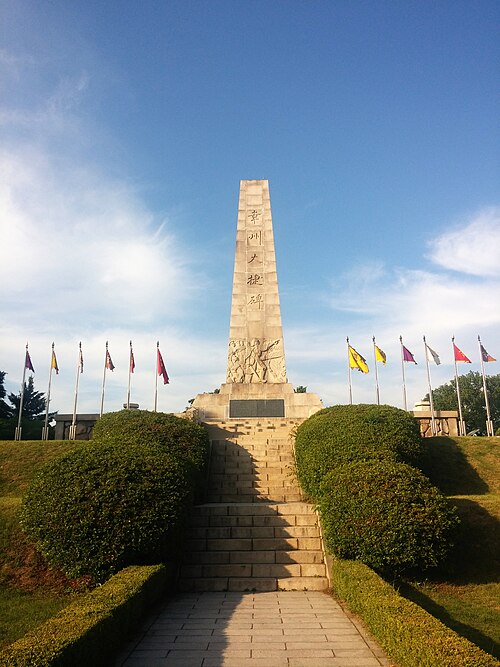 War · 1593Battle of HaengjuOn the 12th day of the 2nd lunar month of 1593 (14 March in the Western calendar), Gwon Yul, governor of Jeolla Province, held the small hill fortress of Haengju on the Han River west of Hanseong (Seoul) for a whole day against a far larger Japanese army that attacked in wave after wave, and the Japanese, several of their commanders wounded, withdrew to the capital.Map
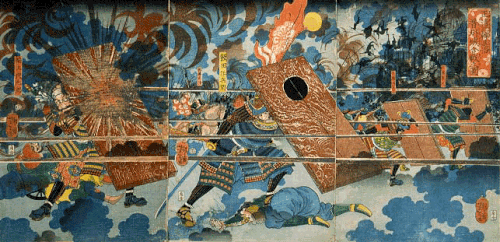 War · 1593Second Siege of Jinju (1593)In July 1593 (the sixth lunar month), while Ming and Japanese envoys were negotiating peace, a Japanese army sent to avenge the defeat of 1592 besieged Jinju for nine days, took it on 27 July after rain brought down part of the wall, and massacred defenders and civilians alike, yet afterwards it still did not occupy Jeolla Province.Map
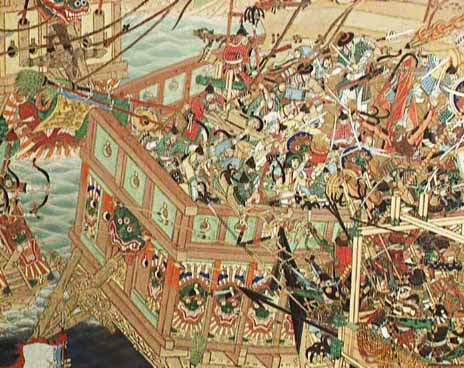 War · 1597Battle of MyeongnyangOn the 16th day of the 9th lunar month of 1597 (26 October in the Western calendar), Yi Sun-sin, with 13 warships gathered from what was left of the Joseon navy after the disaster at Chilcheollyang, fought off a far larger Japanese fleet in the narrow, fast-flowing Myeongnyang Strait (Uldolmok) off Jindo Island; the Japanese commander Kurushima Michifusa was killed and the Japanese withdrew, but the war went on for another year.Map
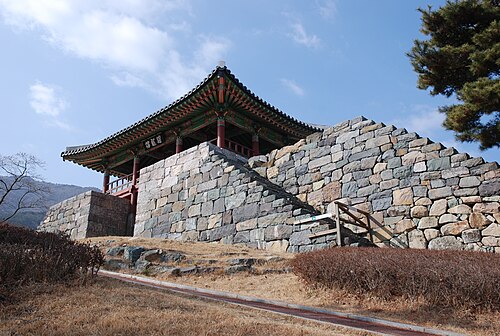 War · 1597Battle of ChilcheollyangOn the night of the 15th day of the 7th lunar month of 1597 and the following dawn (27–28 August in the Western calendar), a Japanese fleet, supported by troops on land, surprised the Joseon navy under Won Gyun at its anchorage in the narrow strait of Chilcheollyang off Geoje Island and destroyed almost all of it, a few months after Yi Sun-sin had been removed from command and arrested.Map
- War · 1597Battle of JiksanOn the 7th day of the 9th lunar month of 1597 (16 or 17 October in the Western calendar), during Japan’s second invasion of Korea, picked Ming cavalry sent south from Hanseong (Seoul) clashed near Jiksan with the vanguard of the Japanese Right Army under Kuroda Nagamasa; each side later claimed the upper hand, and within days the Japanese, after raiding as far as Anseong and Juksan, turned back south without attacking the capital.Map
- War · 1597Siege of Namwon (1597)In September 1597, during the second Japanese invasion of Korea, the Left Army under Ukita Hideie surrounded the walled town of Namwon in Jeolla Province, held by about 3,000 Ming cavalry under Yang Yuan and a smaller Joseon force under the provincial army commander Yi Bok-nam; on the night of the 15th or 16th day of the 8th lunar month (25 or 26 September; the records differ) the Japanese filled the moat with bundles of rice straw and climbed the walls, Yi Bok-nam and almost all the officers were killed, Yang Yuan escaped and was later executed by the Ming, and Jeonju, the provincial capital, was abandoned without a fight.Map
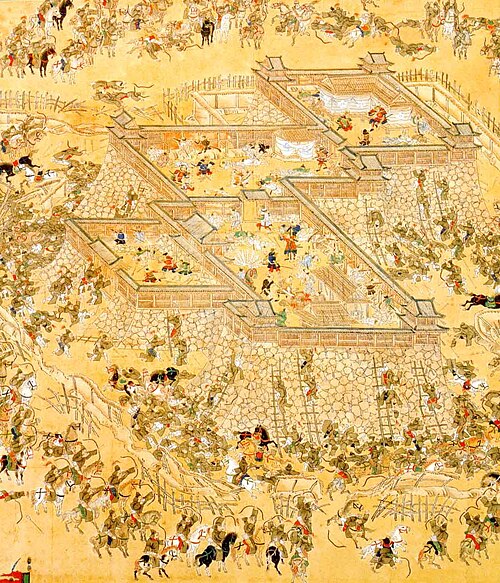 War · 1598First Siege of UlsanFrom the 22nd–23rd day of the 12th lunar month of 1597 to the 4th day of the 1st month of 1598 (28/29 January – 9 February 1598 in the Western calendar), a Ming–Joseon army under Yang Hao, Ma Gui and Gwon Yul besieged Katō Kiyomasa in the unfinished Japanese castle at Ulsan; it took the outer defences but not the castle, and withdrew when Japanese relief forces arrived; a second attack in the autumn of 1598 also failed.Map
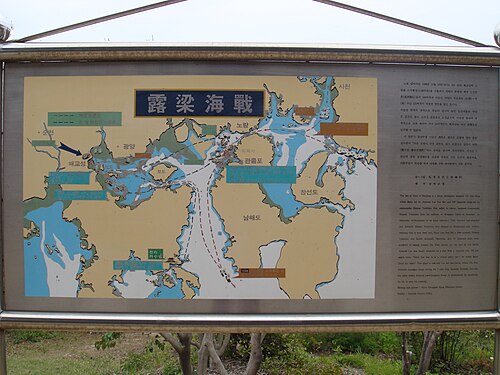 War · 1598Battle of NoryangBefore dawn on 16 December 1598 (the 19th day of the 11th lunar month), a Joseon–Ming fleet under Yi Sun-sin and Chen Lin attacked a Japanese relief fleet under Shimazu Yoshihiro in the narrow Noryang Strait between Namhae Island and the mainland and inflicted heavy losses in the last major battle of the Imjin War; Yi Sun-sin and the Ming commander Deng Zilong were killed, and Konishi Yukinaga’s blockaded army slipped away while the fleets fought.Map
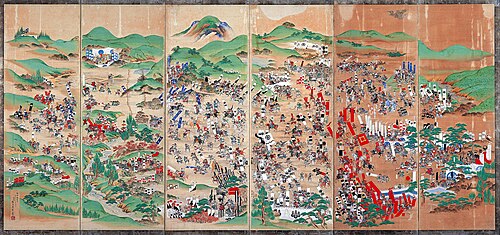 War · 1600Battle of SekigaharaOn the 15th day of the 9th month of Keichō 5 (21 October 1600), two years after Toyotomi Hideyoshi’s death, the Eastern Army led by Tokugawa Ieyasu defeated the Western Army of Ishida Mitsunari and his allies at Sekigahara in central Japan, after several Western commanders, most famously Kobayakawa Hideaki, changed sides — a victory that opened the way to the Tokugawa shogunate.Map
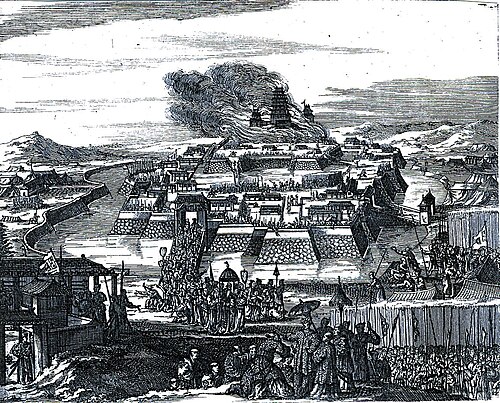 War · 1614–1615Siege of OsakaFifteen years after Tokugawa Ieyasu’s victory at Sekigahara, the Tokugawa shogunate attacked Toyotomi Hideyori, Hideyoshi’s son and heir, in Osaka Castle: in the Winter Campaign of 1614–15 the castle held and a peace was made that cost it its moats, and in the Summer Campaign the Toyotomi army was beaten in the open, the castle burned on 3 June 1615 and Hideyori and his mother Yodo-dono killed themselves the next day, ending the Toyotomi house and the age of civil wars.Map
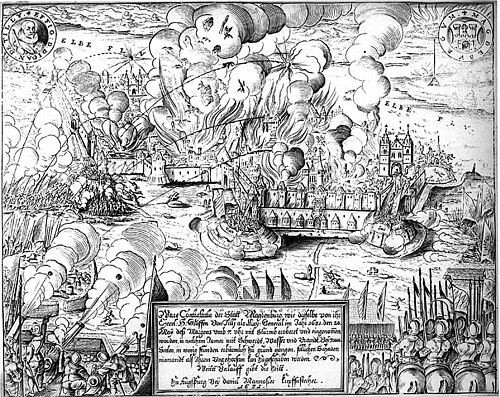 War · 1618–1648The Thirty Years’ WarThe Thirty Years’ War (1618–1648) began as a revolt in Bohemia over religion and rights and grew into a European war fought mostly on German soil, killing millions through battle, hunger and disease and ending with the Peace of Westphalia, which reshaped the Holy Roman Empire and the European map.Map
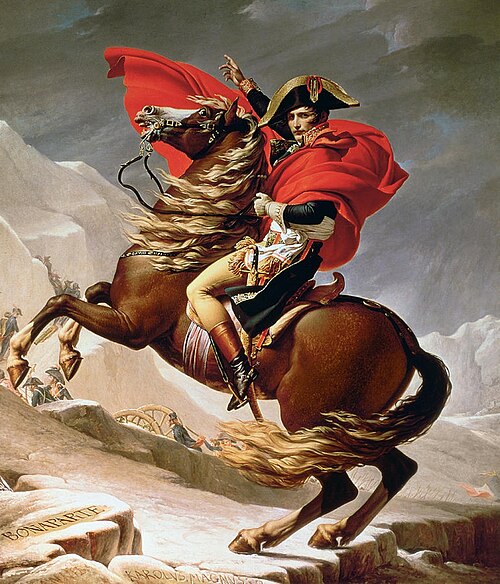 War · 1803–1815Napoleonic WarsThe Napoleonic Wars (1803–1815) were a series of wars in which France under Napoleon Bonaparte fought changing coalitions of European powers, conquering much of the continent before being defeated, and in the process spreading revolutionary laws and ideas, awakening nationalism and reshaping Europe and the Americas.Map
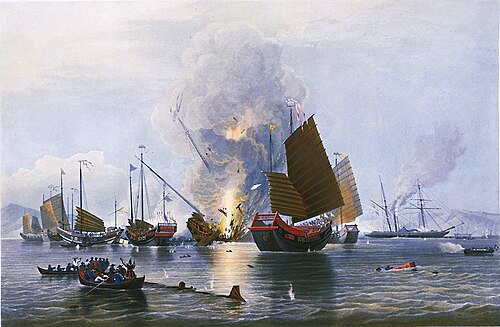 History · 1839–1842First Opium WarThe First Opium War (1839–1842) was a war in which Britain attacked Qing China after Chinese officials tried to stop British merchants from selling the addictive drug opium, and it ended with a treaty that forced China to open its ports and give Hong Kong Island to Britain.Map
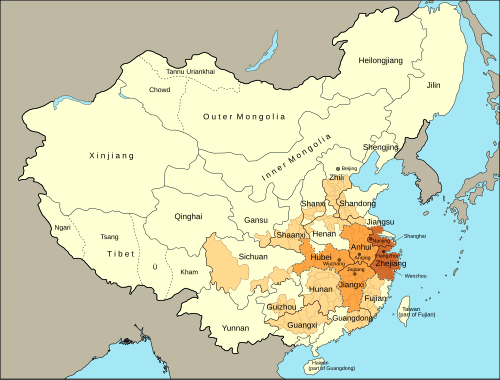 War · 1850–1864Taiping RebellionThe Taiping Rebellion (1850–1864) was a huge civil war in China in which a religious movement led by Hong Xiuquan, who believed he was the younger brother of Jesus, tried to overthrow the Qing dynasty, and it became one of the deadliest wars in human history.Map
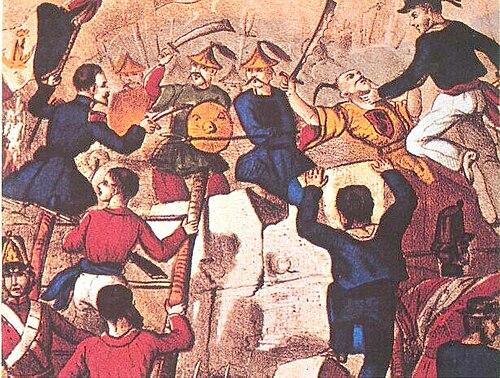 War · 1856–1860Second Opium WarFrom 1856 to 1860 Britain and France fought Qing China to force wider trade, diplomatic residence in Beijing and the legalisation of opium, a war that ended with the burning of the emperor's Old Summer Palace and a set of treaties that deepened China's “century of humiliation”.Map
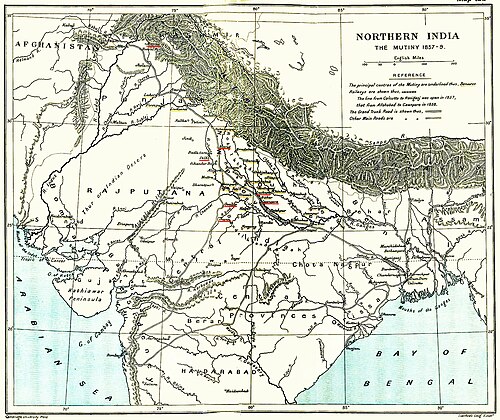 War · 1857–1858Indian Rebellion of 1857The Indian Rebellion of 1857 was a huge uprising of Indian soldiers, princes and villagers against the rule of the British East India Company in northern and central India; it was crushed with great violence, and afterwards the British Crown took direct control of India.Map
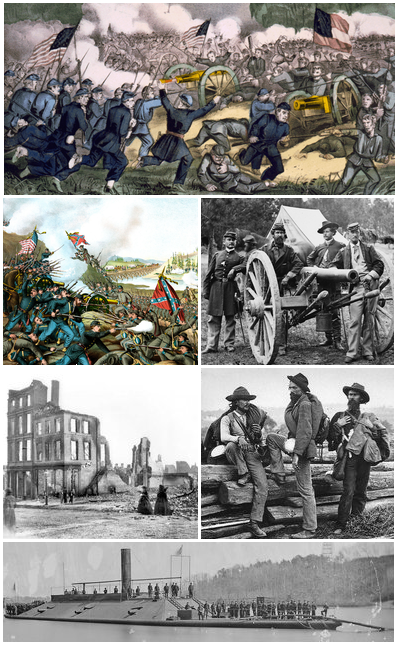 War · 1861–1865American Civil WarFrom 1861 to 1865 the United States fought a civil war after eleven slaveholding Southern states tried to leave the country to protect slavery; the Union won, slavery was abolished, and the nation then struggled over what freedom and equal citizenship would mean.Map
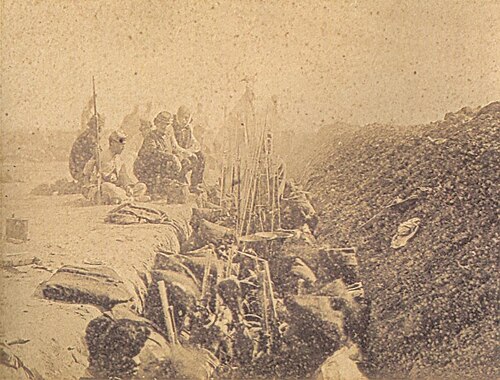 War · 1864–1870Paraguayan War (War of the Triple Alliance)From 1864 to 1870 Paraguay fought an alliance of Brazil, Argentina and Uruguay in the deadliest war between states in Latin American history, a war that ended with Paraguay occupied, stripped of territory and having lost a very large share of its people.Map
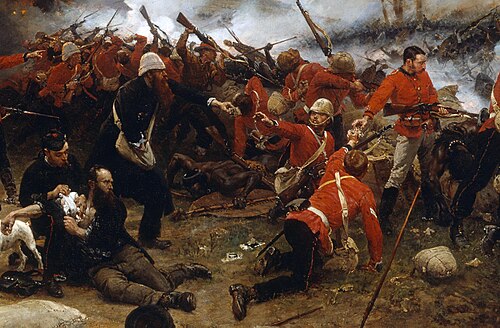 War · 1879Anglo-Zulu WarIn 1879 the British Empire invaded the independent Zulu Kingdom in south-eastern Africa; the Zulu army won a famous victory at Isandlwana, but after six months Britain defeated King Cetshwayo, and the peace that followed broke the kingdom apart.Map
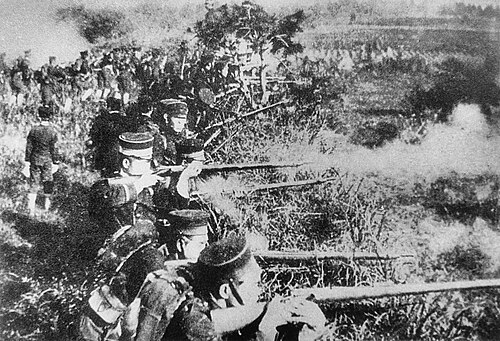 War · 1894–1895First Sino-Japanese WarThe First Sino-Japanese War (1894–1895) was a war between Qing China and Japan over control of Korea, fought mostly on Korean land and seas, in which Japan’s victory ended China’s traditional leadership in East Asia and opened the way to Japanese domination of Korea.Map
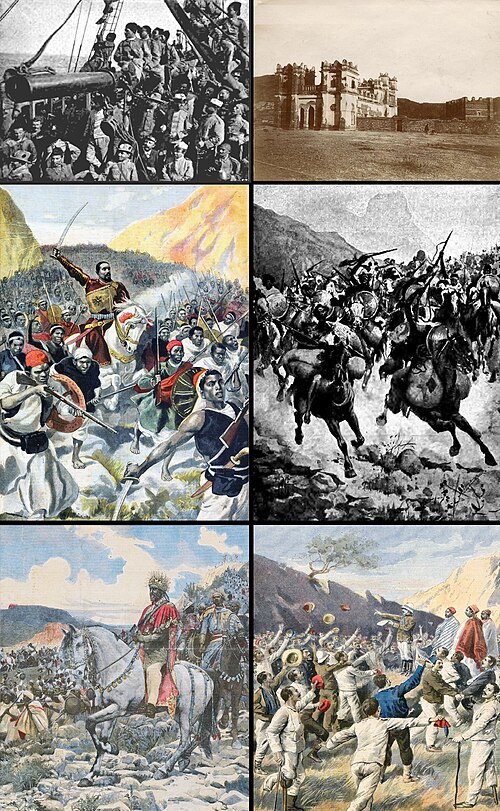 War · 1894–1896First Italo-Ethiopian WarIn 1895–1896 Italy tried to make Ethiopia its protectorate, and the Ethiopian army of Emperor Menelik II and Empress Taytu defeated it decisively at Adwa on 1 March 1896, keeping Ethiopia independent during the European “Scramble for Africa”.Map